


The fluctuating cost of living in Hughesovka can be tracked through the prices of groceries and everyday essentials in the local bazaar. Rees Richard, a blast‑furnace worker, wrote that “the food is extraordinary cheap”, listing “lamb for 3d per pound, Mutton and Beef 2d per pound”. Two decades later, David James complained to his sister Margaret that turkey cost “very near a shilling a pound”. Whatever the exact conversions, the direction was clear: living was becoming costly as Hughesovka grew.
 DXGC232/30 - Street scene, showing street lined with wooden market stalls
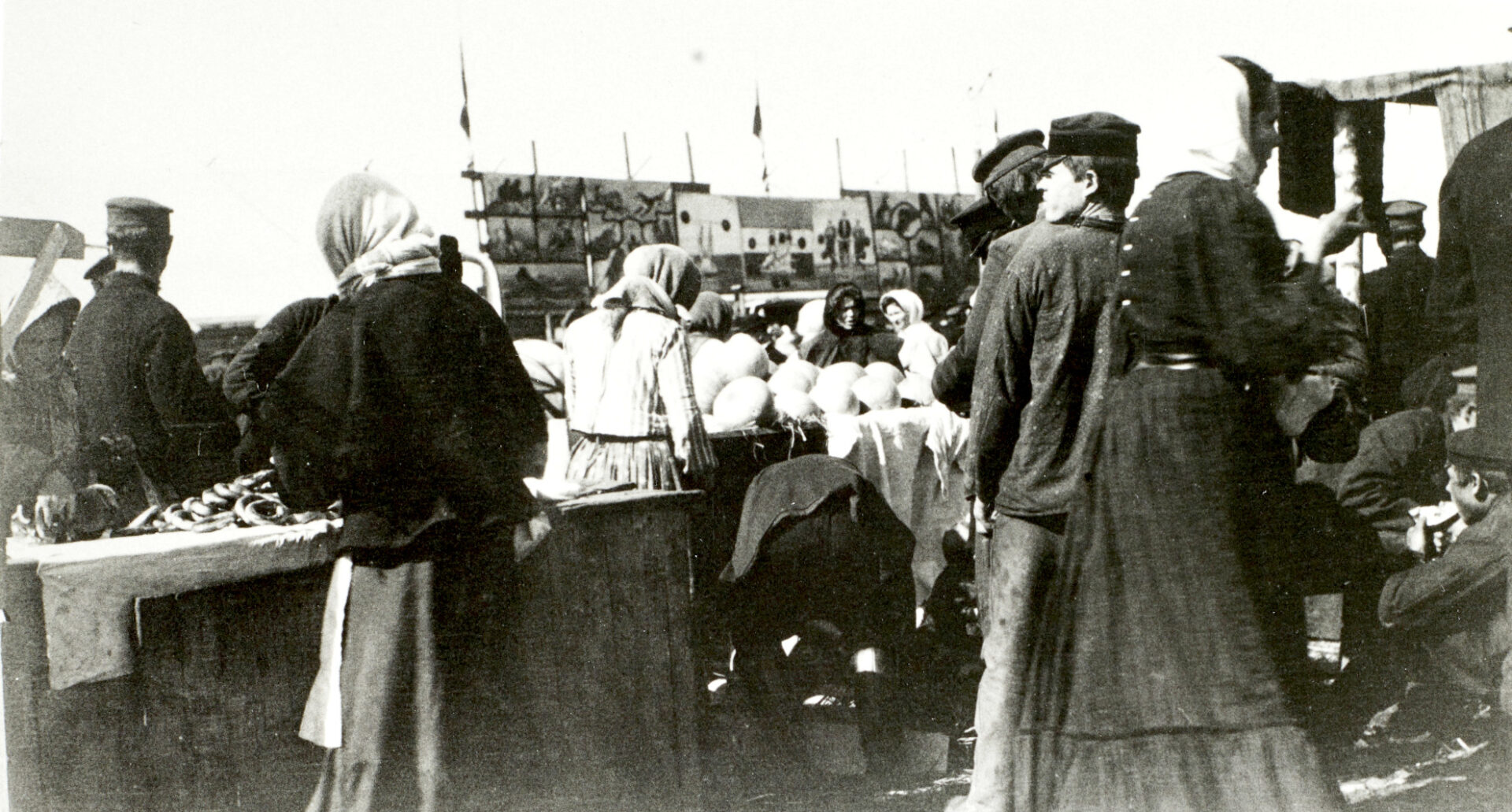 D381/4/36 - Photographs of the area surrounding Hughesovka
Working time was long and the conditions demanding by modern standards. One wife described her husband’s cycle of “work to bed and back to work” with barely a pause, a rhythm repeated across blast furnaces, rolling mills and pits. However, the combination of higher wages, steadier demand and prospects of advancement outweighed the hardships compared with the insecurity they had left behind in South Wales. The wider local economy benefited too: shops, services and small factories sprang up to serve a population whose livelihoods depended—directly or indirectly—on the works’ pulsing heart.
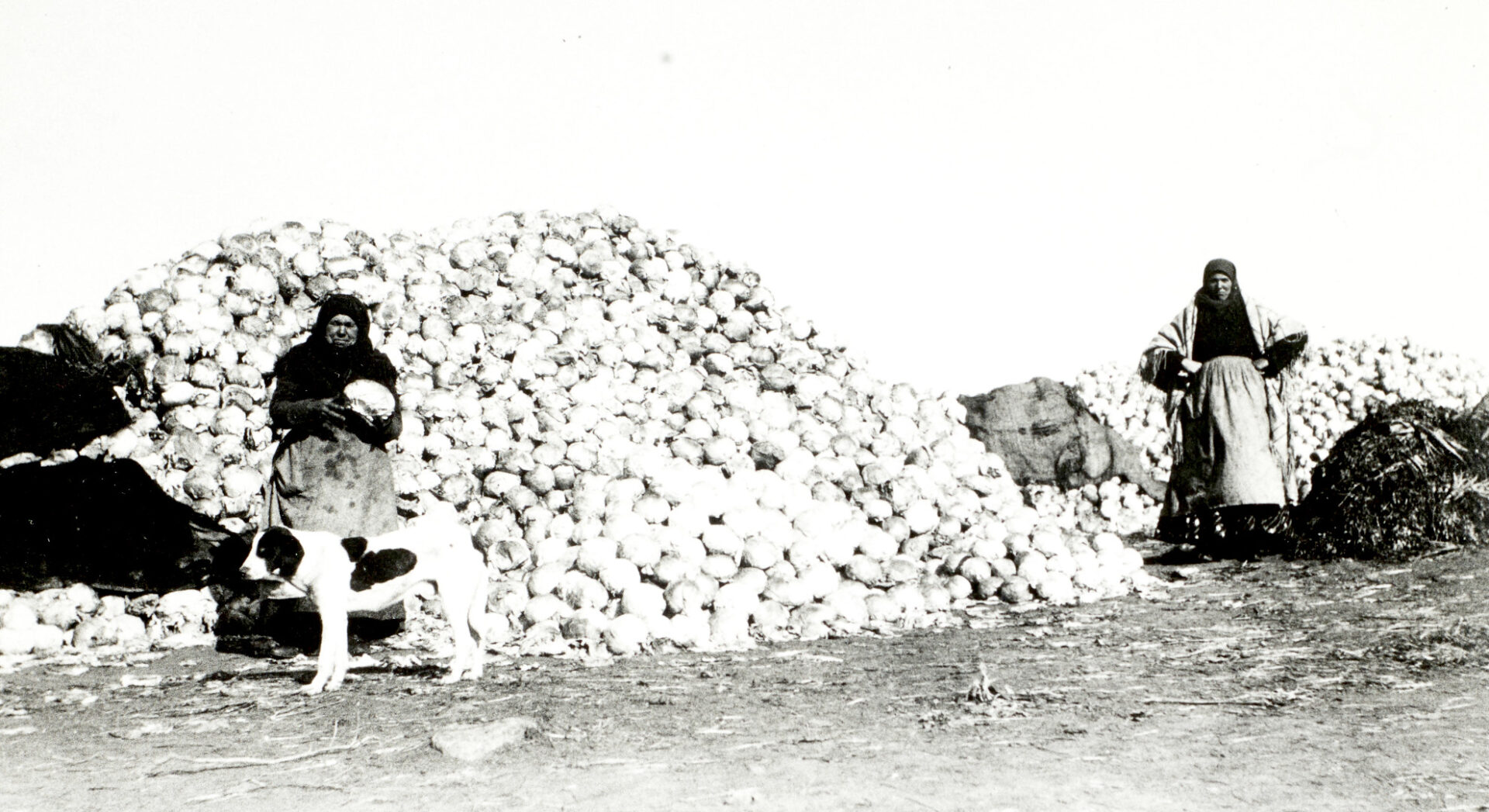 D381/4/33 - Ukrainian women with piles of produce
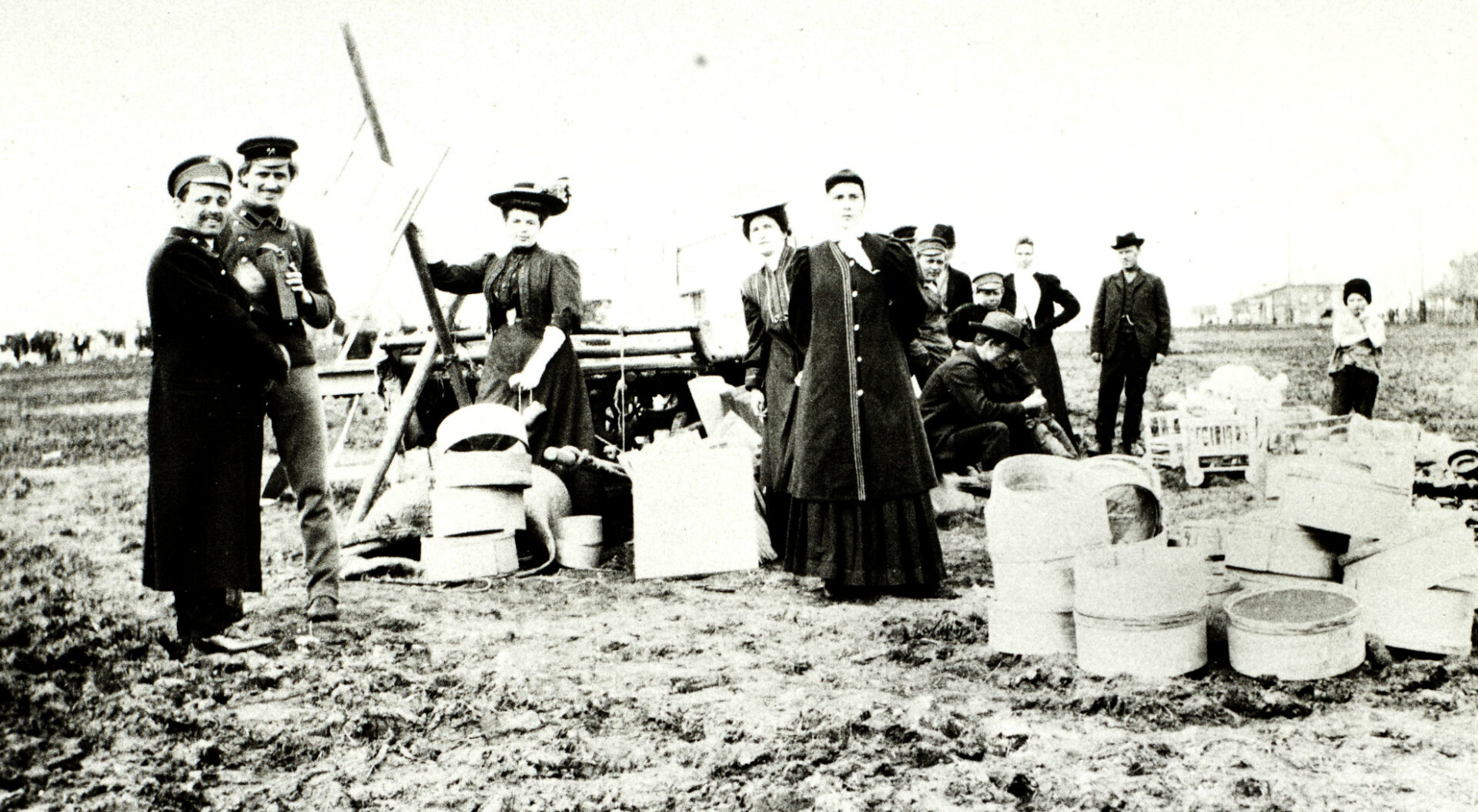 D381/4/31 - Photographs of the area surrounding Hughesovka