


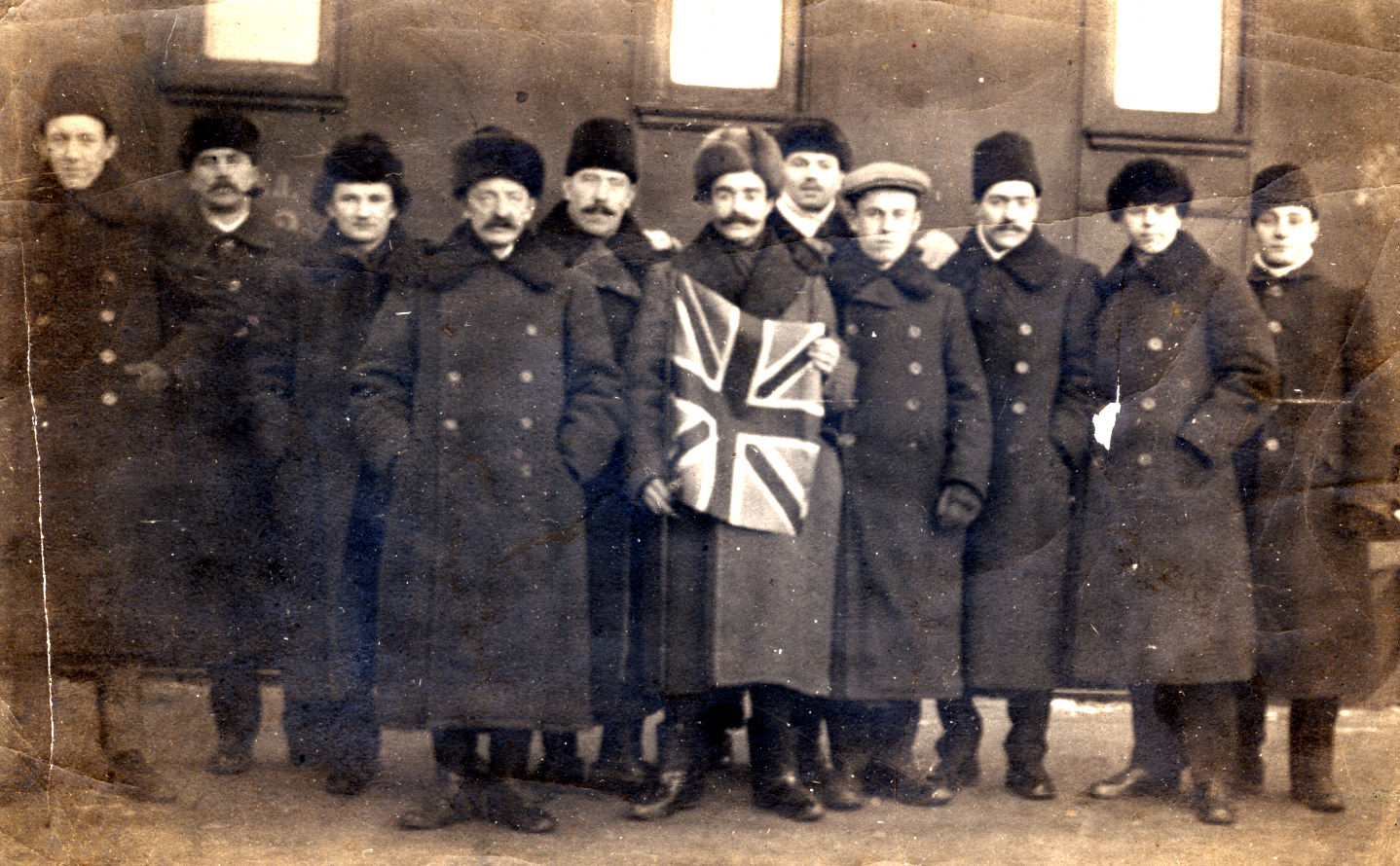
 DX628/10/5/1 - Volunteers for the British Army leaving Hughesovka, 1914
War and revolution ended the British interests in Hughesovka. In August 1914, Elizabeth Perry wrote to her sister that “the war was started so suddenly no one knew anything about it”. By November, young men from the community had left to enlist. As 1917 approached, political violence intensified. Families in Hughesovka were advised to leave swiftly. The country faced the breakdown of government and law and order, leaving families little choice but to flee.
Many left in August 1917 and spent long weeks struggling across war torn Europe. Outside of wartime, travellers generally used the southern sea route through the Mediterranean and the Black Sea, or via train through Holand, Germany and Poland. However, with the entire continent at war people were forced to travel through Petrograd, which at the time was the centre of the Bolshevik revolution.
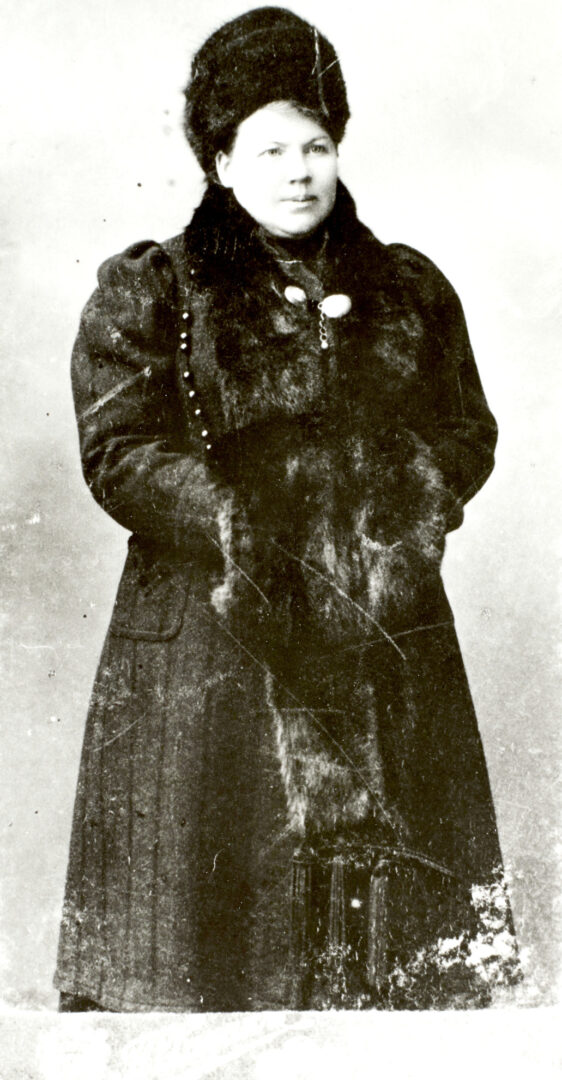 DX694/5/1 - Elizabeth Mary Perry
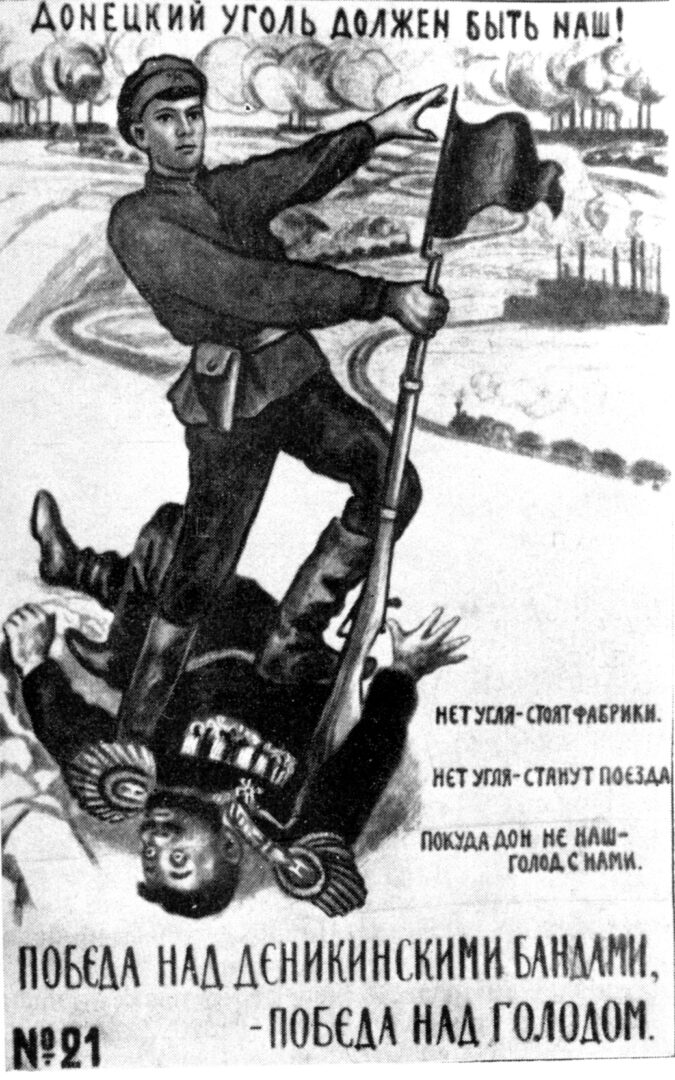 DX700/28 - Propaganda poster from the period of the Bolshevik revolution
The Cartwrights were some of the many forced to leave everything behind and make the treacherous journey. The family consisted of Percy Cartwright, his wife Gwladys Ann of Dowlais and their 2 children, Ella and Edward. Their youngest Edward was born mere weeks before they were forced to leave. They left in late August and arrived in the capital during the second week of September. They were lucky to only be there a few days, as on the 12th the British consulate arranged for them to travel across the border to Finland. They left immediately and two days later, on the 14th, they crossed the border into Sweden before then moving through to Norway. They stayed at a hotel in Vossvangen under the protection of the Royal Navy while they waited for a boat that would then take them on the last leg of their journey to Aberdeen. They arrived in Britain on October 7th, over a month after their initial departure.
After returning to South Wales they were never able to see the Donbass again. Six years after this Hughesovka became Stalino and the home they had known ceased to exist.
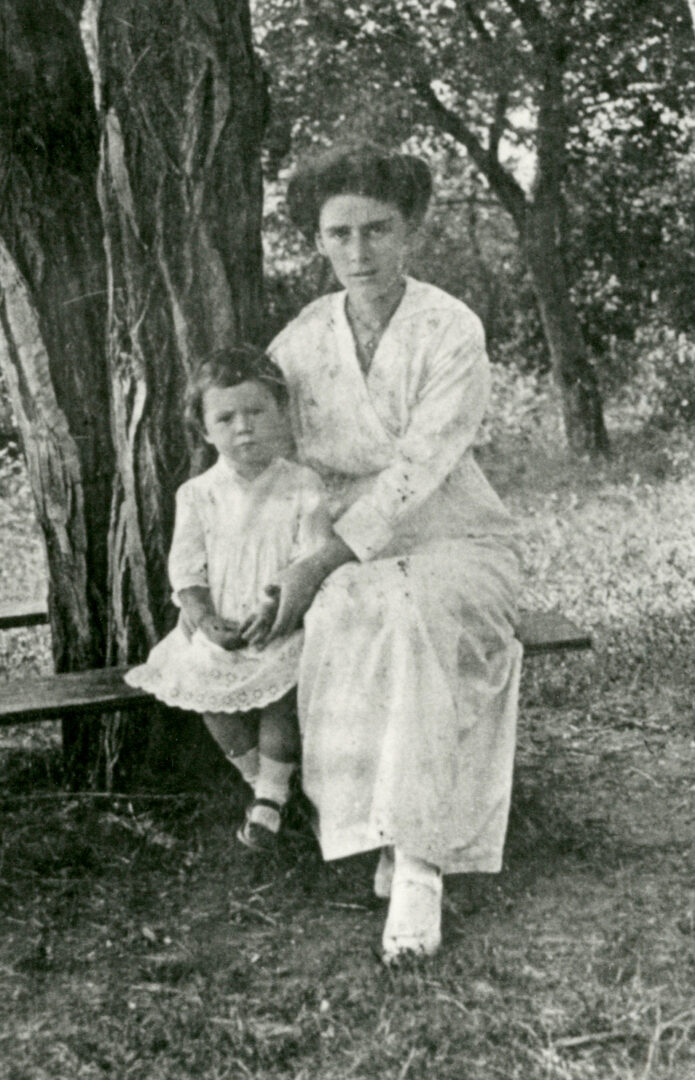 DX726/8 - Gwladys Cartwright with daughter Ella Cecil
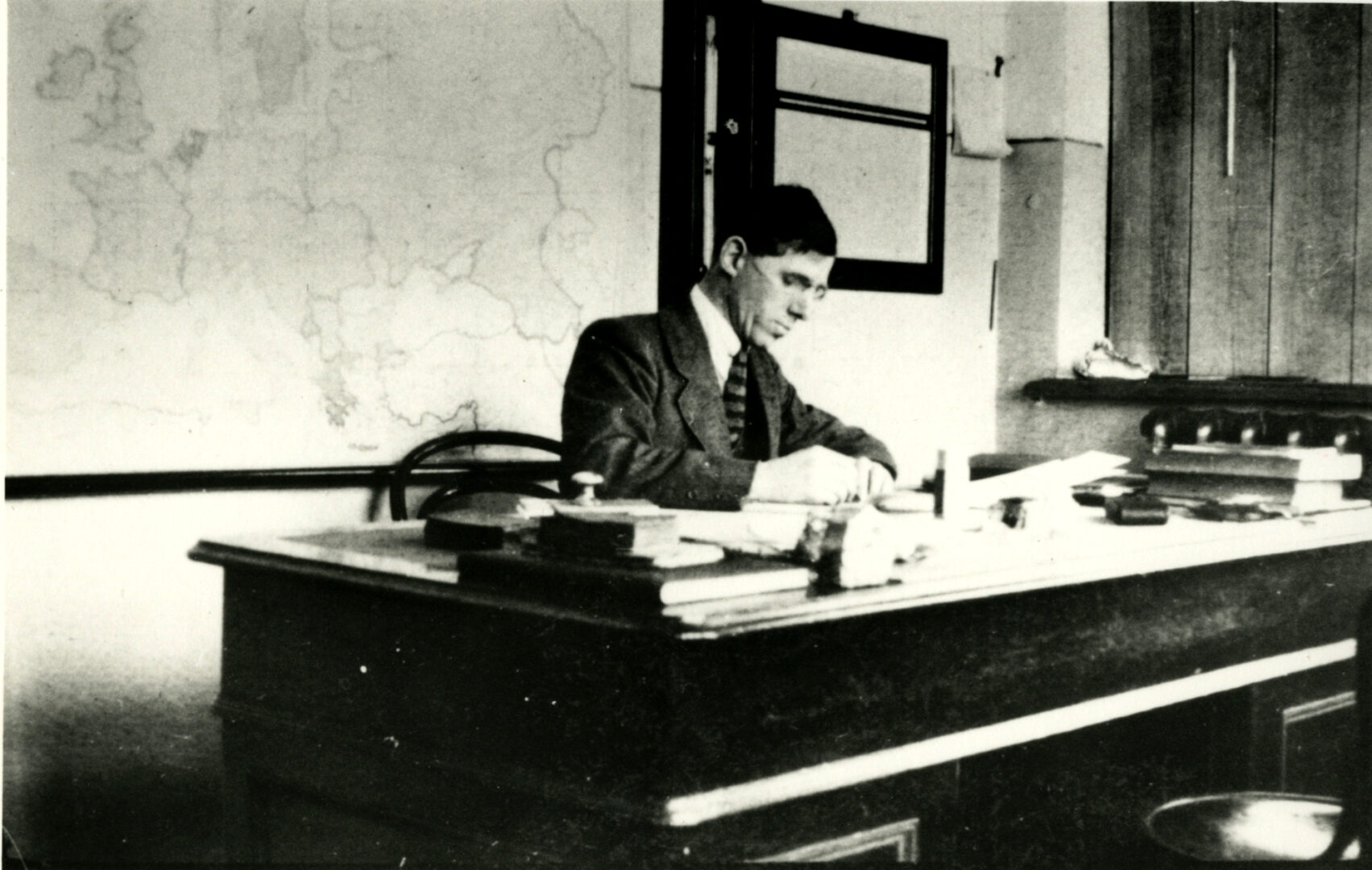 DX726/1 - Percy Cartwright at his desk in the New Russia Company’s laboratories
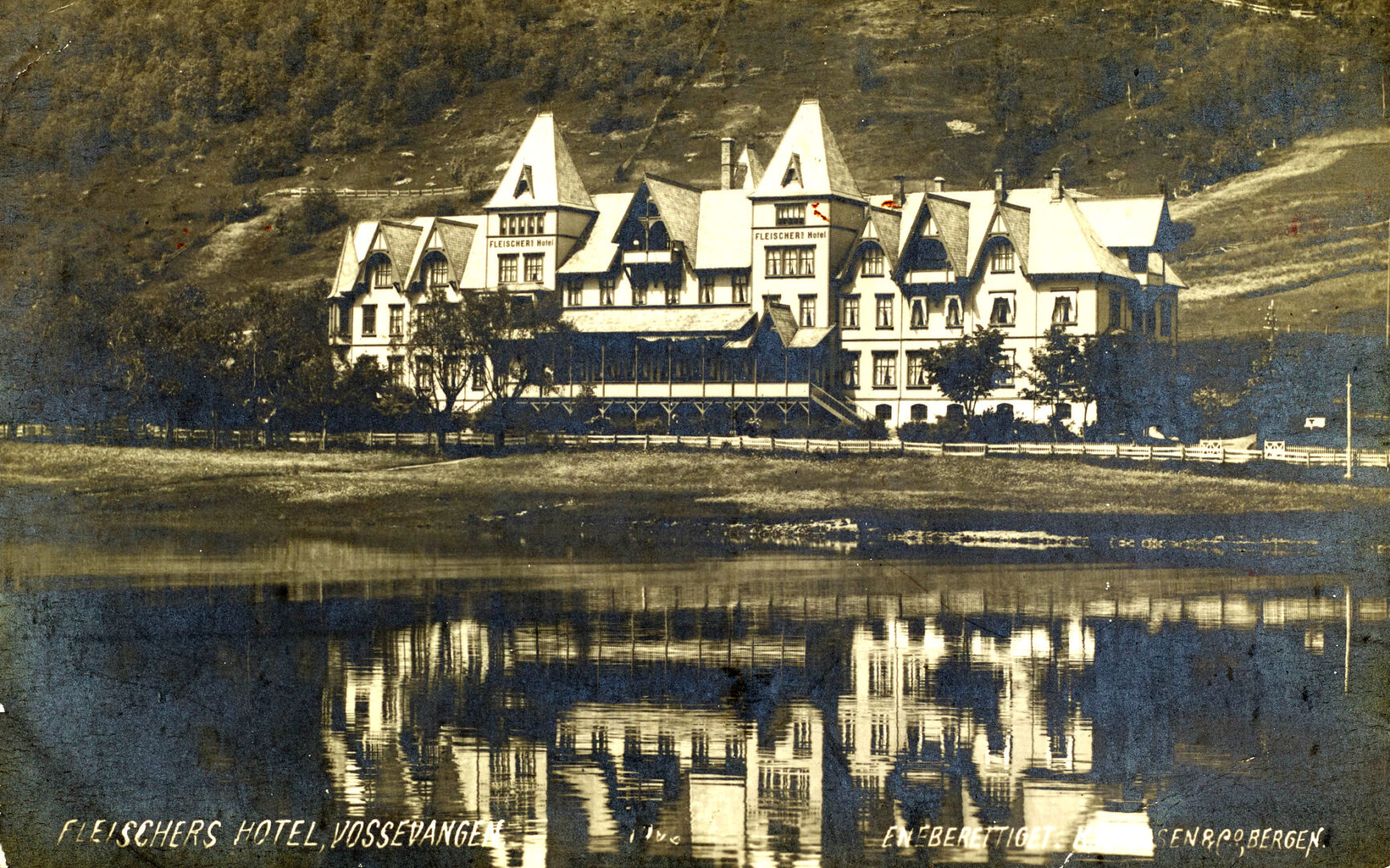 DX62810/6/1 - Fleschers Hotel, Voss, Norway