


On Sunday 2nd of August 1892, a cholera scare ignited wider tensions in the town. A sanitary squad, escorted by police, attempted to admit a woman from Sobachevka—Dogpatch in English—to the quarantine barracks. Distrust of modern medicine and rumours that patients were being killed fed a crowd; stones were thrown and looting began. About 150 people were arrested that night.
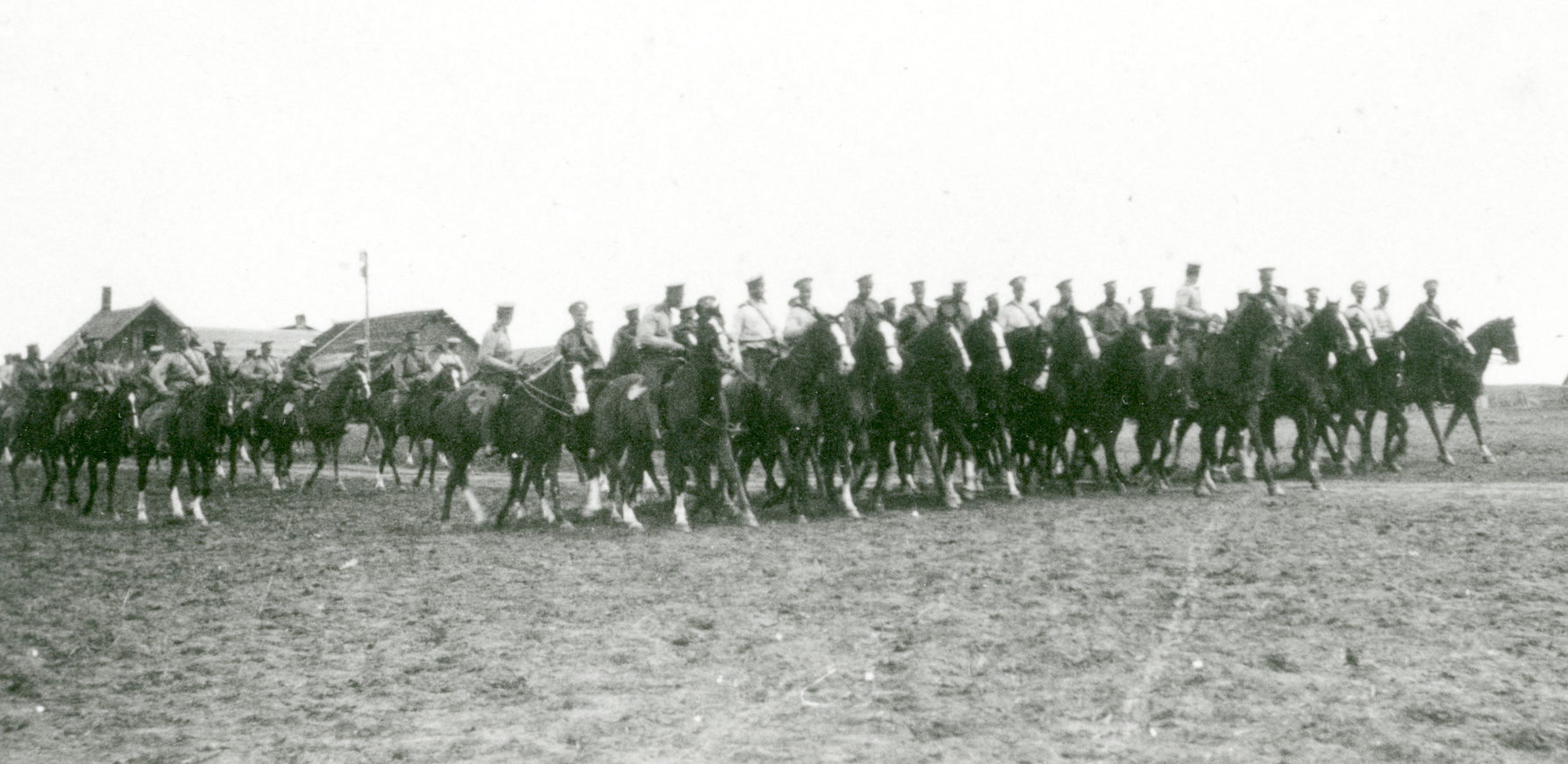 D381/4/28 - Cossack Cavalry
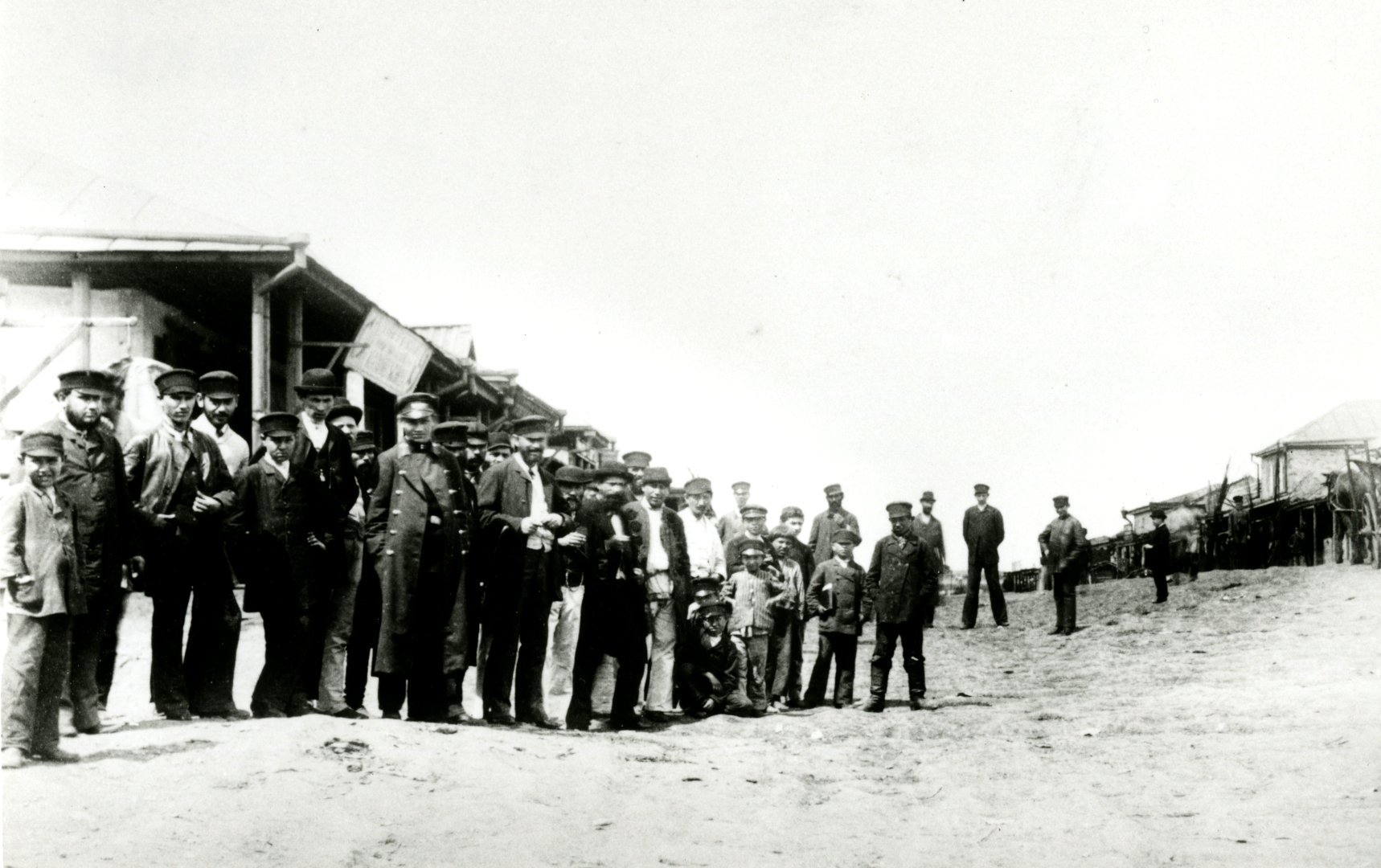 DNMW44/78 - Group of young men and boys in street
On Monday a larger crowd—perhaps fifteen thousand—freed those arrested and tried to destroy the works, but were beaten off. The mob then attacked the town’s Jewish quarter until evening. When it dispersed, to avoid additional damage, troops were called in from Ekaterinoslav. Officially, around thirty people died; unofficial fatality counts ran as high as eighty or more. Conpany losses were estimated at 1.5 million roubles.
Punishments were severe. The governor ordered the birching of 176 men and 14 women. Only 42 had evidence enough to stand trial; four death sentences were commuted, eight men received fifteen years’ hard labour, thirty received three years, with shorter terms for others, including seven children. The riot exposed the gulf of class, language and trust in a boomtown straining at its limits.
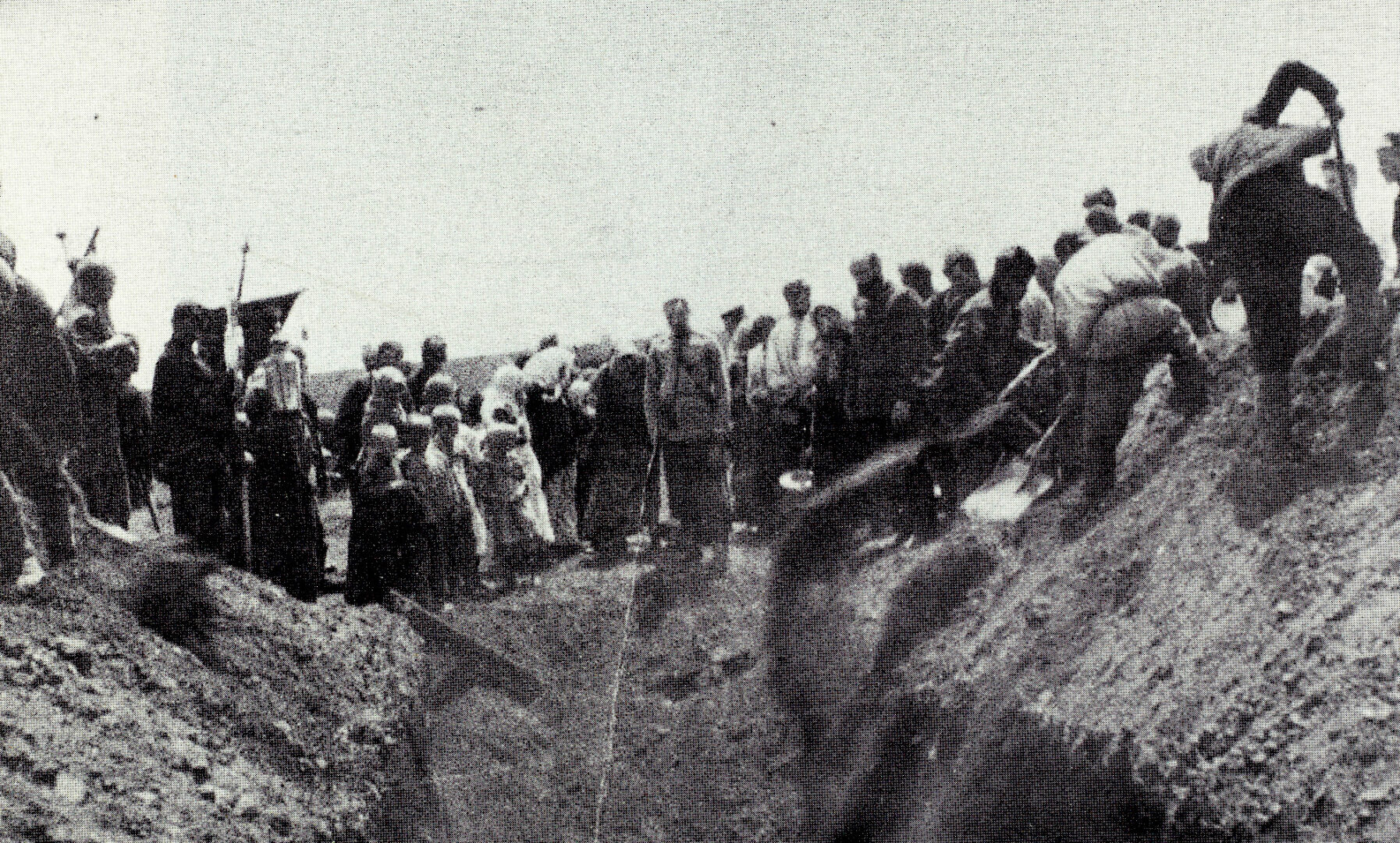 Cholera Mass Grave