


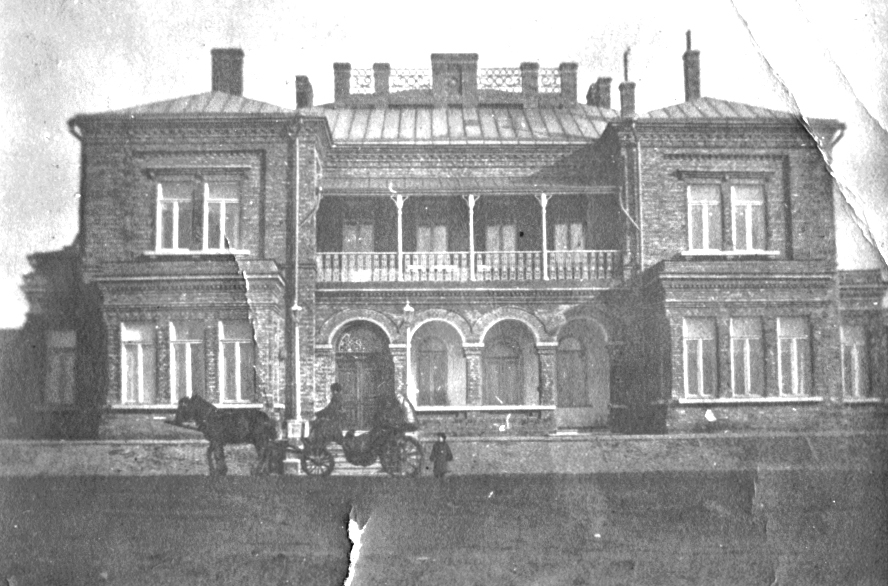
 DX627/8 - Hughes family house at Hughesovka
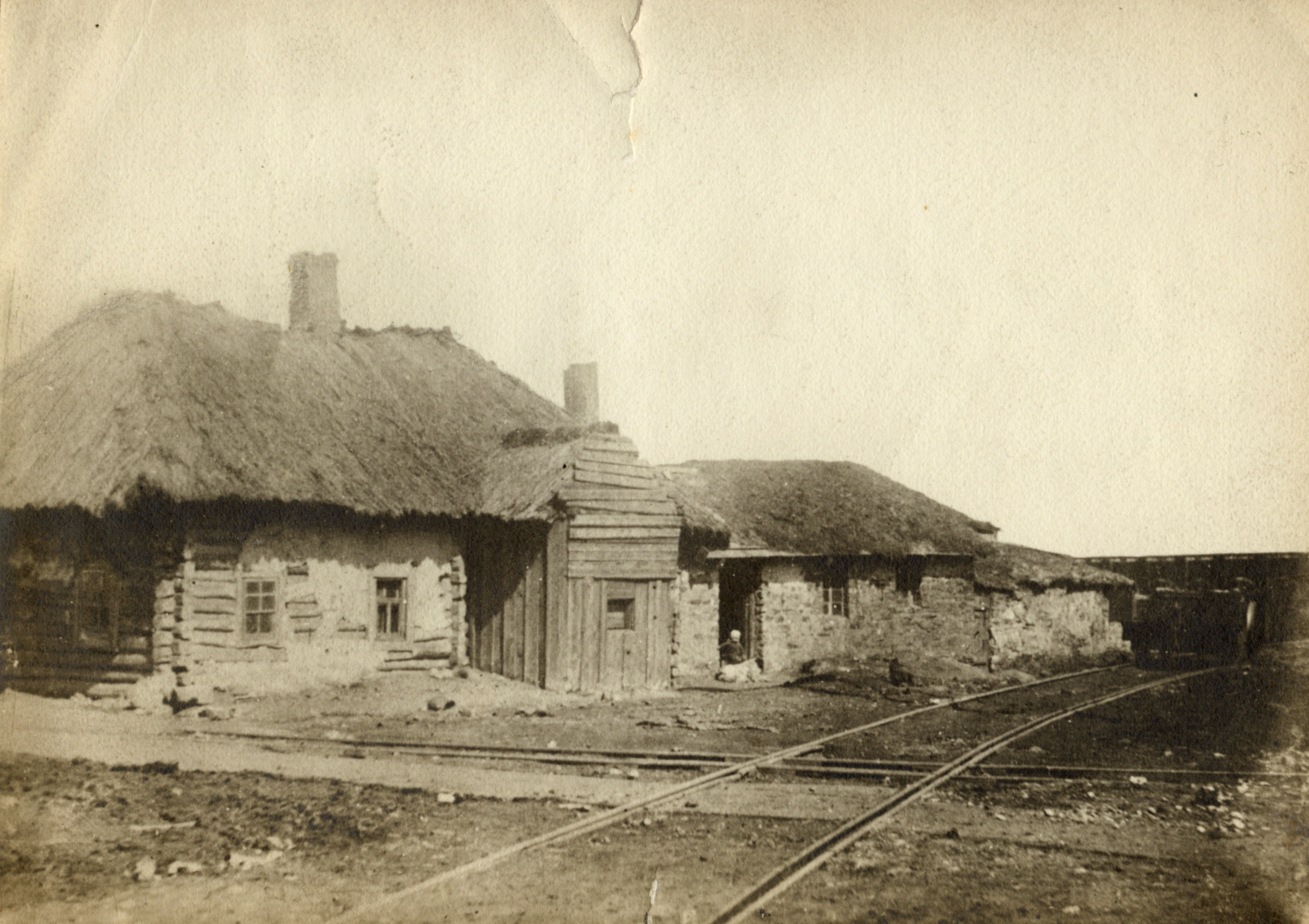 DX627/12 - Worker’s house near railway lines
As the workforce expanded, the town grew with it—often too fast for housing policy to keep pace. Local workers commonly lived in single‑story houses called balagani, built of sun‑dried brick, with four or five rooms around a central kitchen, sometimes a family to a room. Overcrowding and poor sanitation were early problems; in summer people cooked outside on pechka stoves and sometimes slept outdoors to escape the heat.
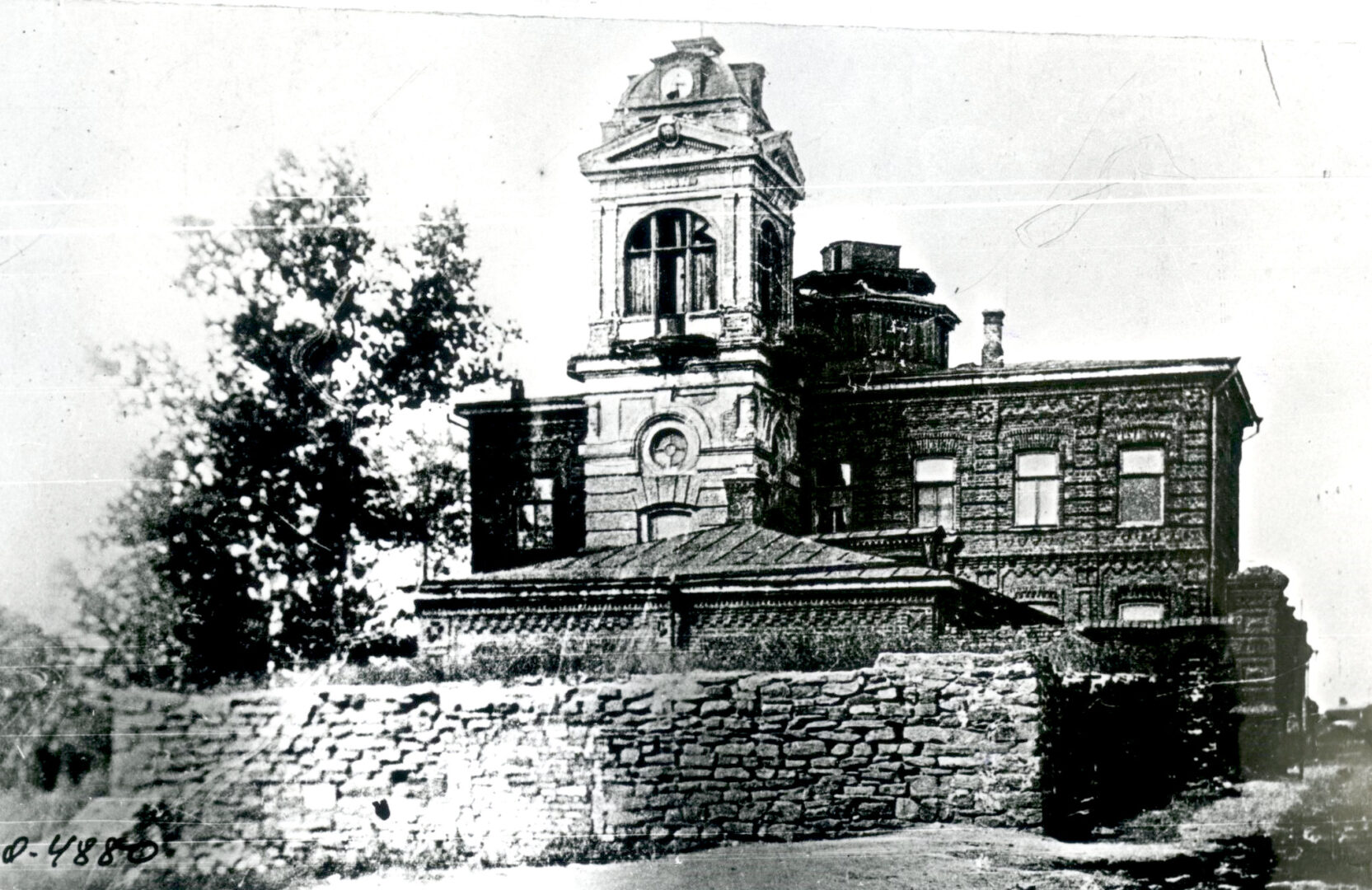 DXGC239/5 - Balfour house, the home of the New Russia Company’s works’ manager
British managers and specialists mostly occupied large houses with gardens, stables and servants, grouped in what visitors described as an “English enclave”. One of the most striking residences belonged to Archibald and Sophie Balfour: “The Swallows’ Nest”, or Balfour House, a cool limestone‑walled home with high ceilings, a tower, and windows overlooking the works. The Hughes family’s own house was larger again, with skylights, fine dining rooms and extensive servant quarters. A letter to the Bishop of Gibraltar also noted that houses similar to this were “occupied by English families” on both sides, as a selling point to prospective expats.
Across the settlement, adaptations were made to daily life. Garden plots, servants’ quarters and outbuildings gave the British enclave an air of transplanted prosperity. For most local families, life remained harder, but conditions improved over time as profits grew, infrastructure spread and more local workers rose to positions of responsibility in the works and town administration.
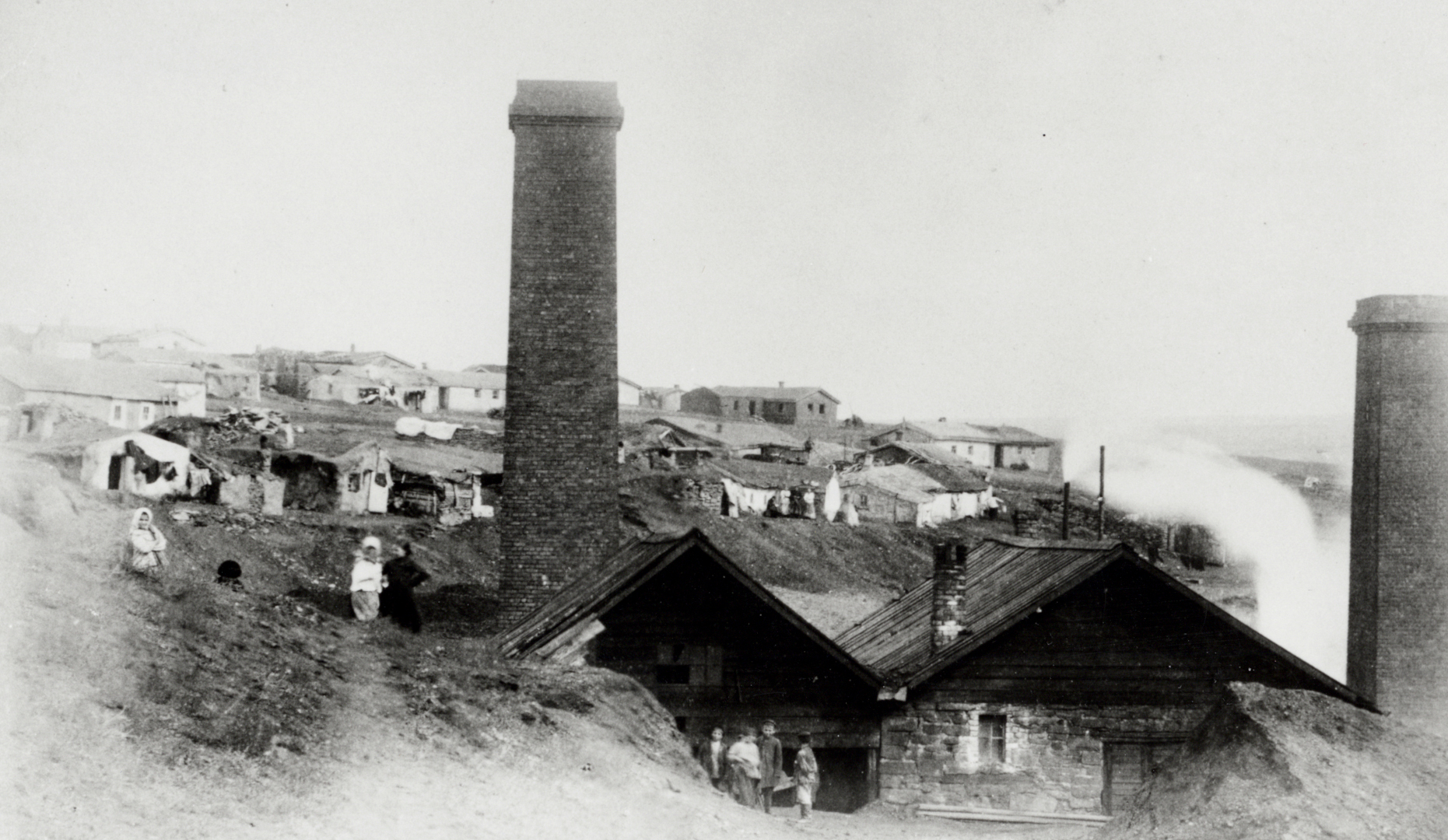 DNMW44/58 - Hughesovka, street in commercial area.
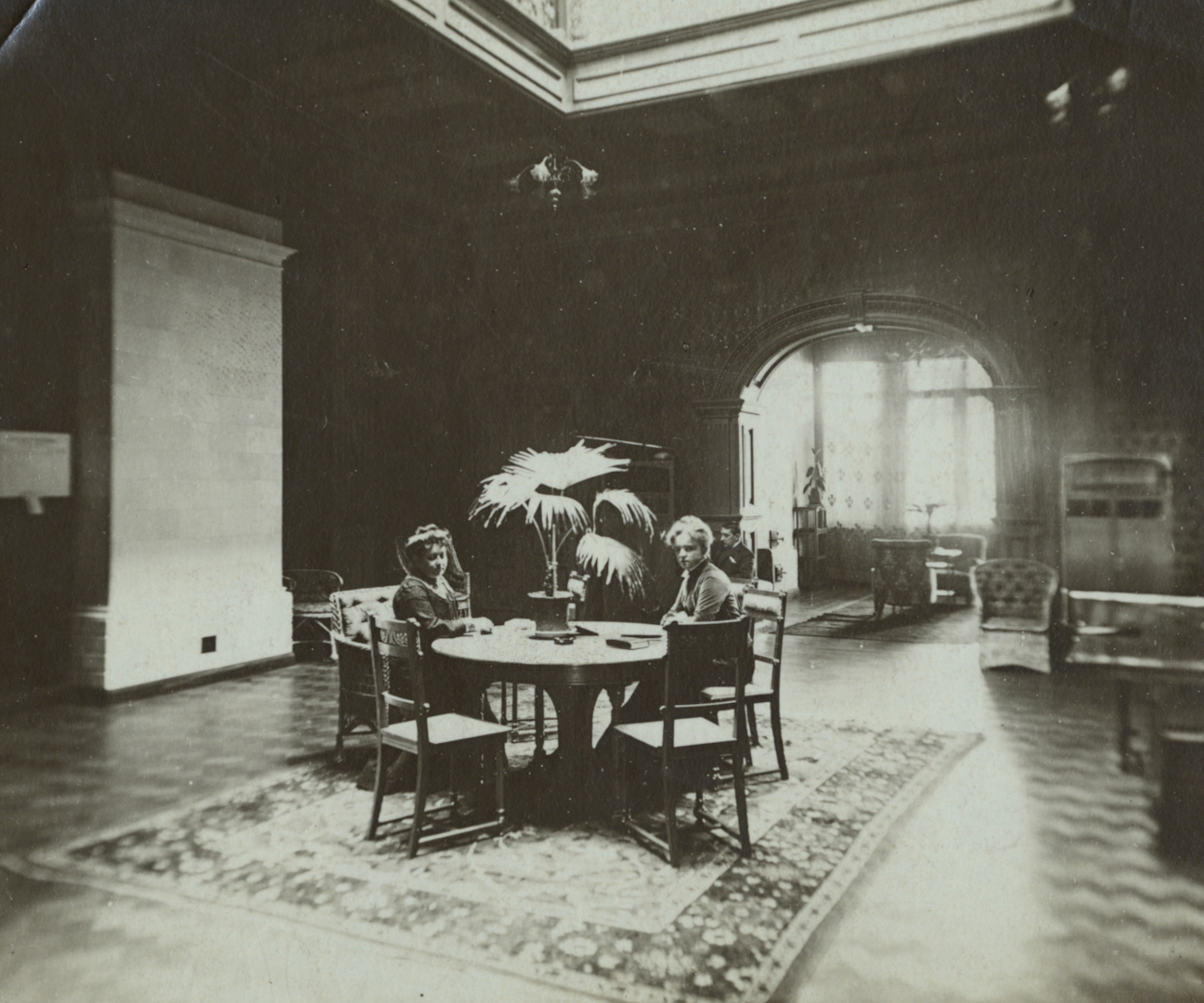 DX627/9/2 - Interior of Hughes family house at Hughesovka
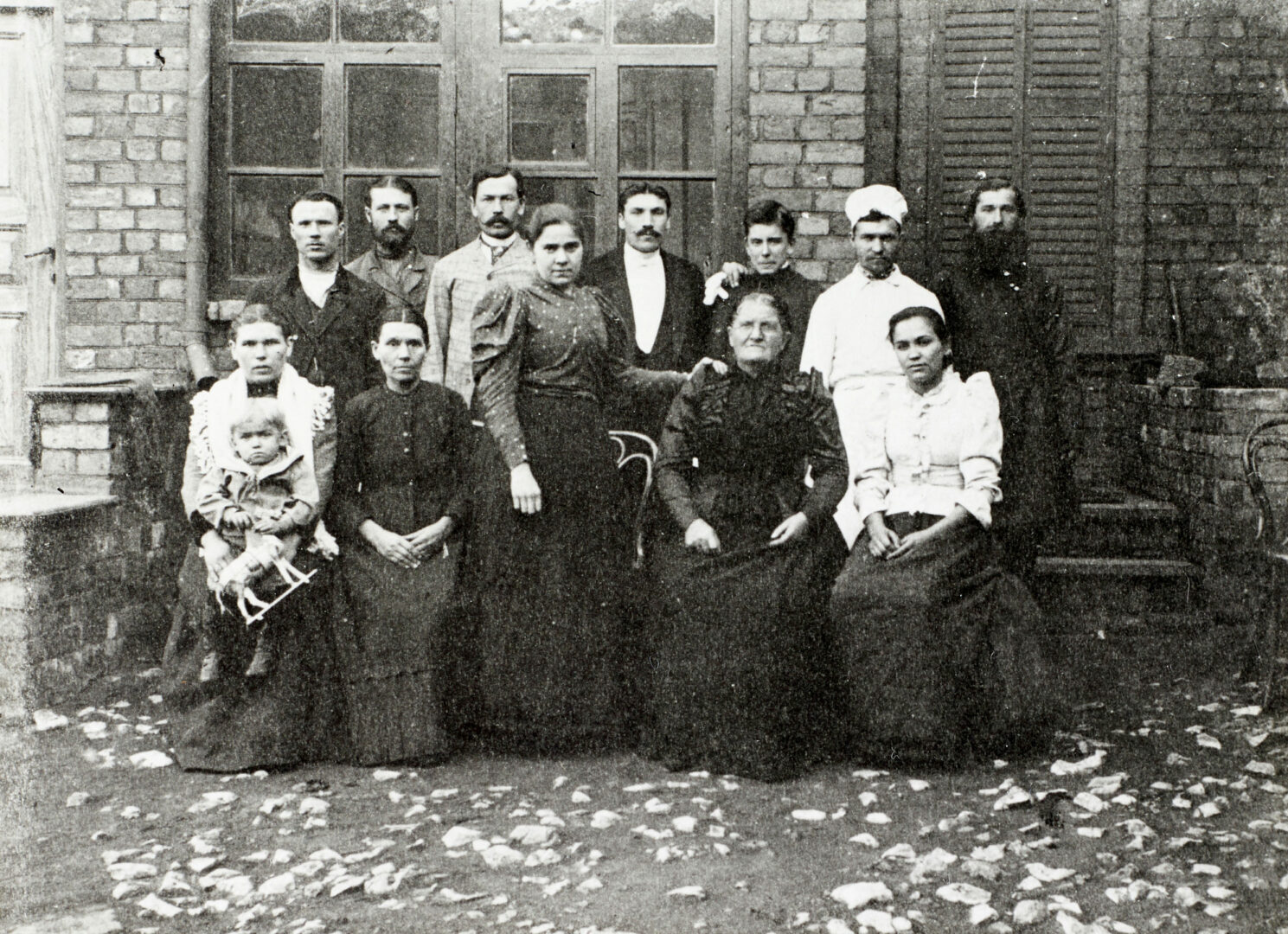 DXGC232/16 - Hughes family, servants and friends
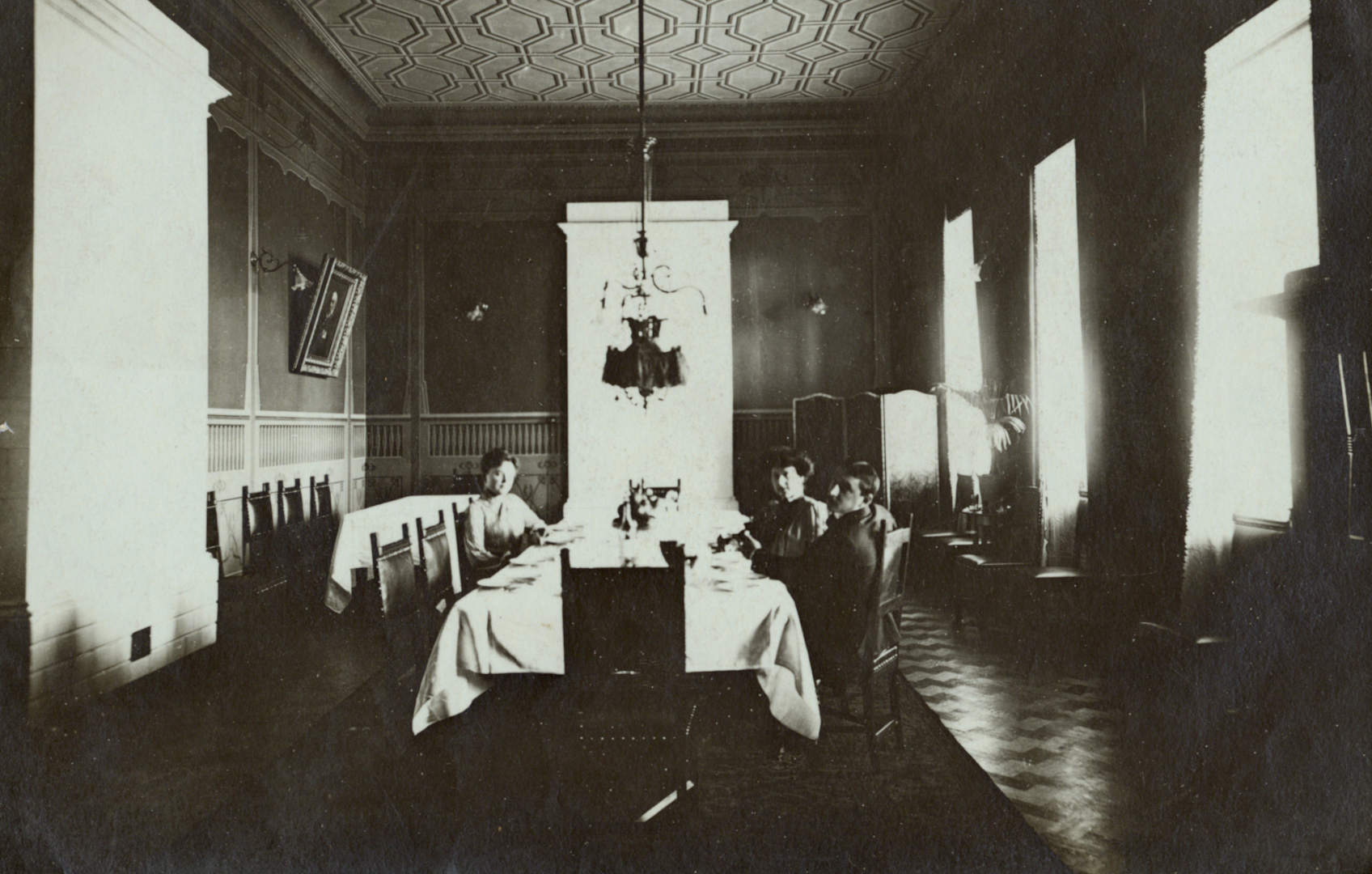 DX627/9/1 - Interior of Hughes family house at Hughesovka