


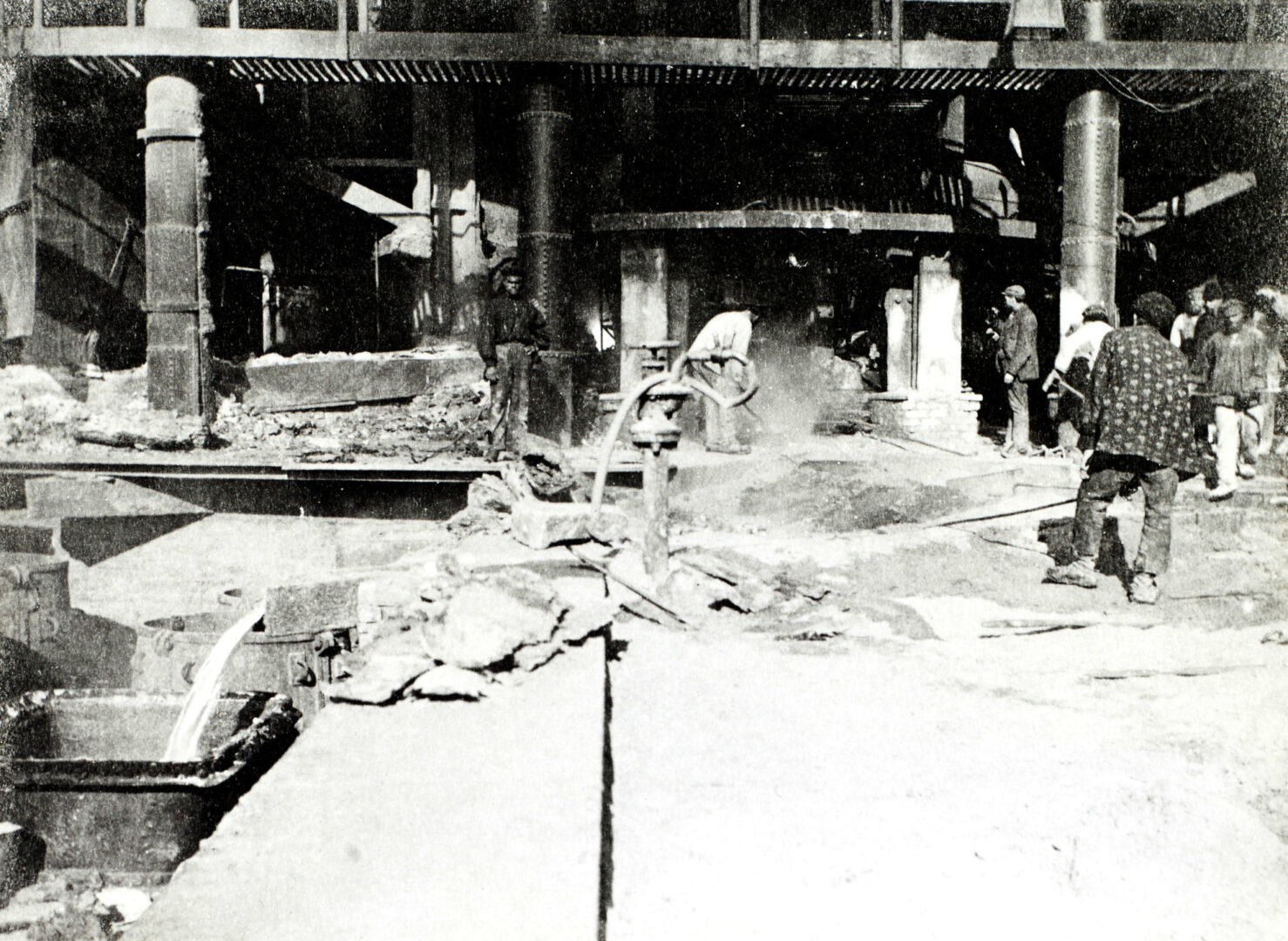
 DXGC232/8 - Blast furnaces
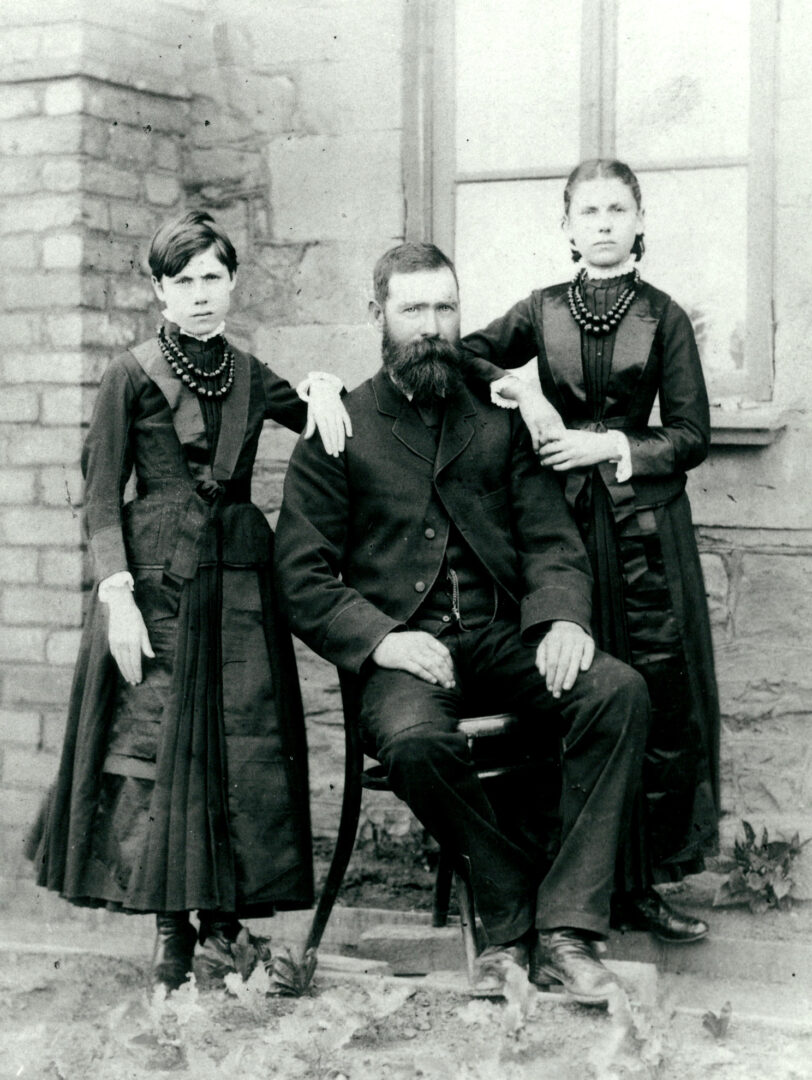 DX737 - Lethbridge Family of Hughesovka
Hughesovka developed comparatively strong medical care, but in a rapidly growing town crowded housing and imperfect sanitation made disease hard to avoid. Cholera and typhus struck repeatedly, alongside scarlet fever, measles, influenza and smallpox. Major epidemics came in 1886, 1892, 1902, 1908 and 1910. Piped, cleaned drinking water reached residential districts only in 1915; by then many British families had begun to spend epidemic seasons back in Britain, returning when the danger eased.
Industrial accidents were common in a region of deep mines and heavy machinery. Up to 1896 roughly one‑third of the company’s workforce reportedly suffered a work‑related accident each year. Hours were long; fatigue was a constant risk factor. Letters tell of men leaving the works only to sleep before another shift. Safety measures and medical provision improved over time, but the basic risks involved with the mining industry persisted.
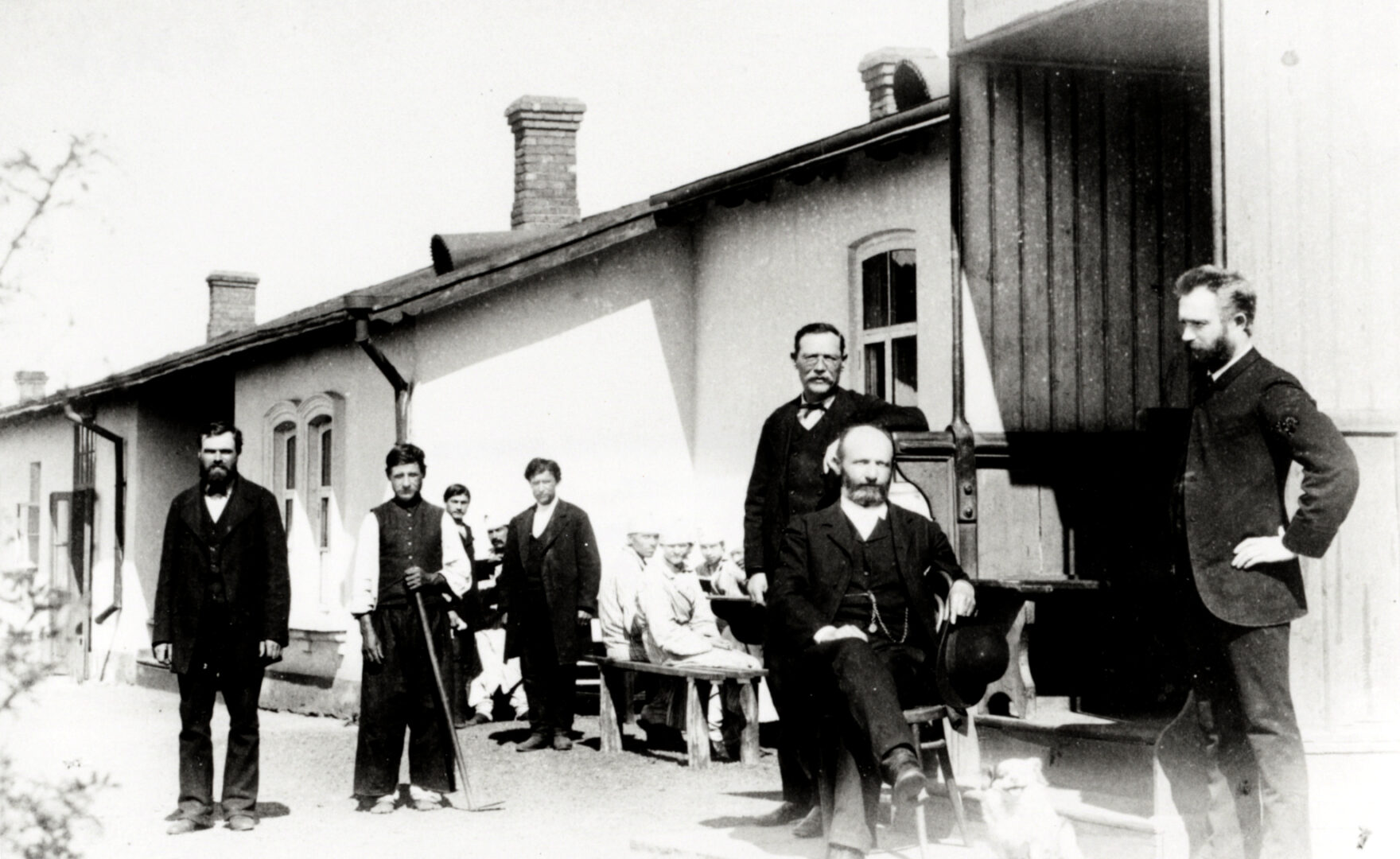 DNMW44/71 - Company hospital, exterior, with patients and doctors