


 DX664/1/5 - Memories of Leah Steel
Leah Steel (née Edwards), born in Hughesovka in 1876, left extensive memoirs. The daughter of a Blaenavon puddler and one of the last of the British community to leave the town in 1917, her memories of Russia paint a vivid picture of life during a complex time in history. Her accounts of religious holidays describe Orthodox feast days—at Epiphany “they went to the river and carved an Alter out of ice… After he had blessed the water, the people would fill up buckets, kettles and bottles, and keep this holy water all year. When anyone in the family was sick, they had supreme faith that this Holy Water would do them good”. How at Lent the locals fasted and would not eat meat, butter or eggs, with the streets during this time being “very quiet, with no pleasures of any kind”.
In 1892 she returned from teaching Sunday school to the chaos of the Cholera Riots: “The ‘Cholera Wagons’ went through the streets picking up the dead… people went wild.” A special train evacuated foreign families seven versts (1 verst = 1.1km) to the nearest station, then eighteen more to a junction, only to learn that cholera had reached the barracks there. Returning later, she found a town “like a graveyard… with streams of smoke from the remains of the burned buildings.”
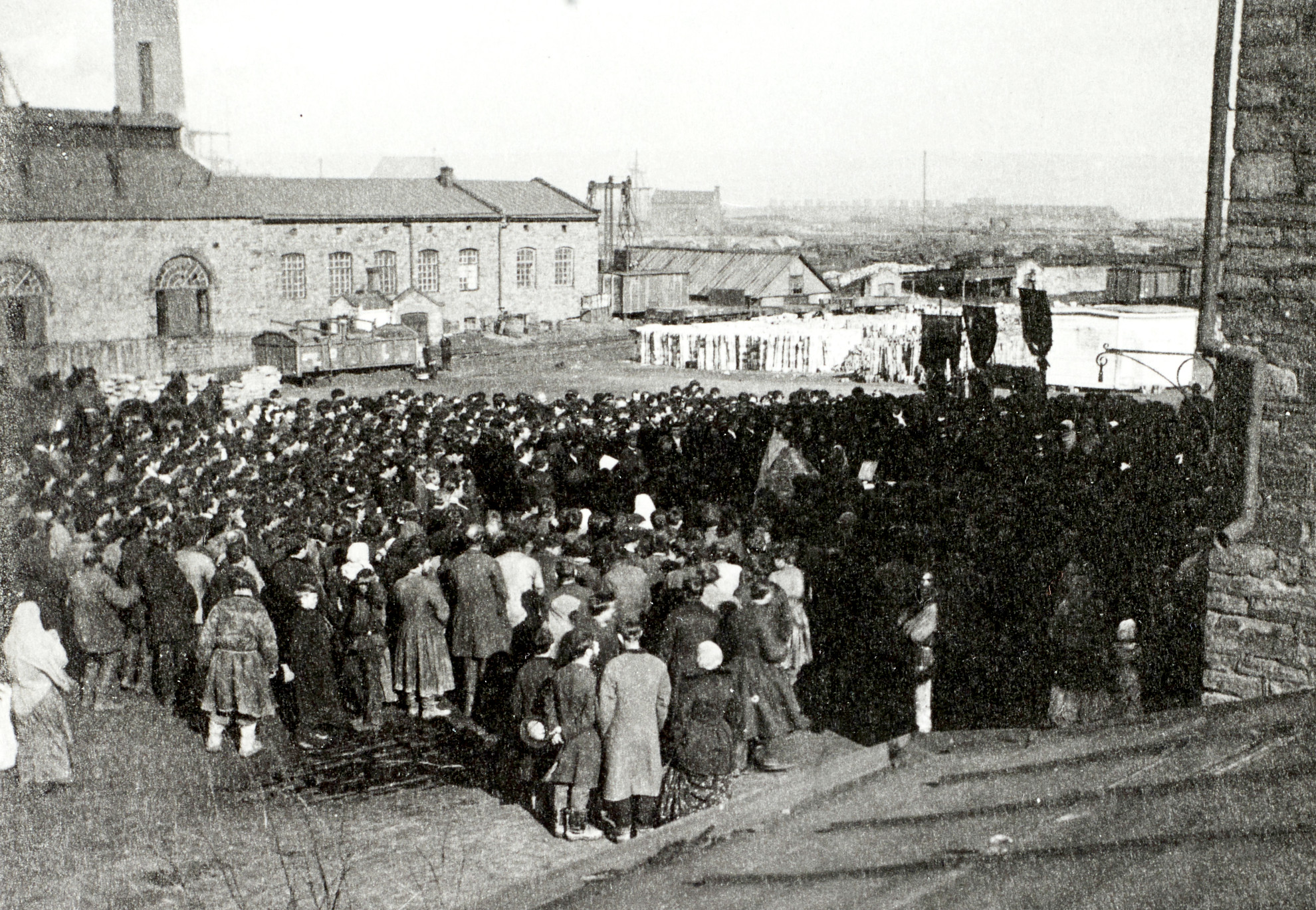 DXGC232/25 - Open-air church service
She spent some time in Moscow and once waited eleven hours to see Tsar Nicholas II, the last Tsar of Russia. She narrowly escaped the Khodynka Field Tragedy in 1896 and only fled back to Britain from Russia in 1917 due to her husband’s distain for the revolution. Upon their arrival back in Britain the couple took a train to London where upon arriving in St. Pancras they got caught up in the first daylight air raid of the First World War on 7 July 1917! Eventually their family settled in Bedford.
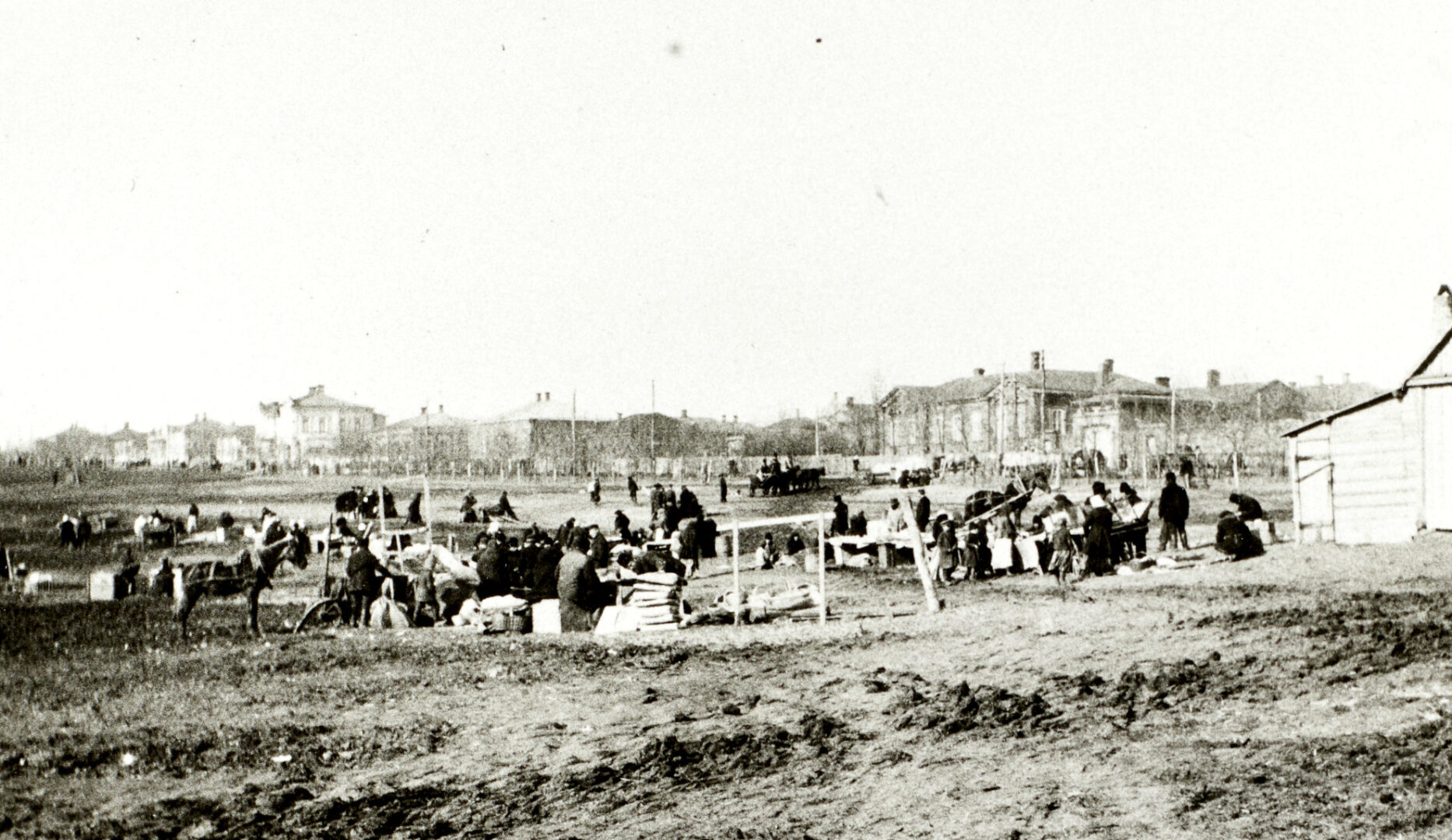 D381/4/55 - Panormama of houses in Hughesovka