

After 1919 the works continued under the new Bolshevik management. In 1924 the town was renamed Stalino, and in 1961 it became Donetsk. In 1970, a century after the first furnaces were lit, the New Russia Company Limited was liquidated in Britain.
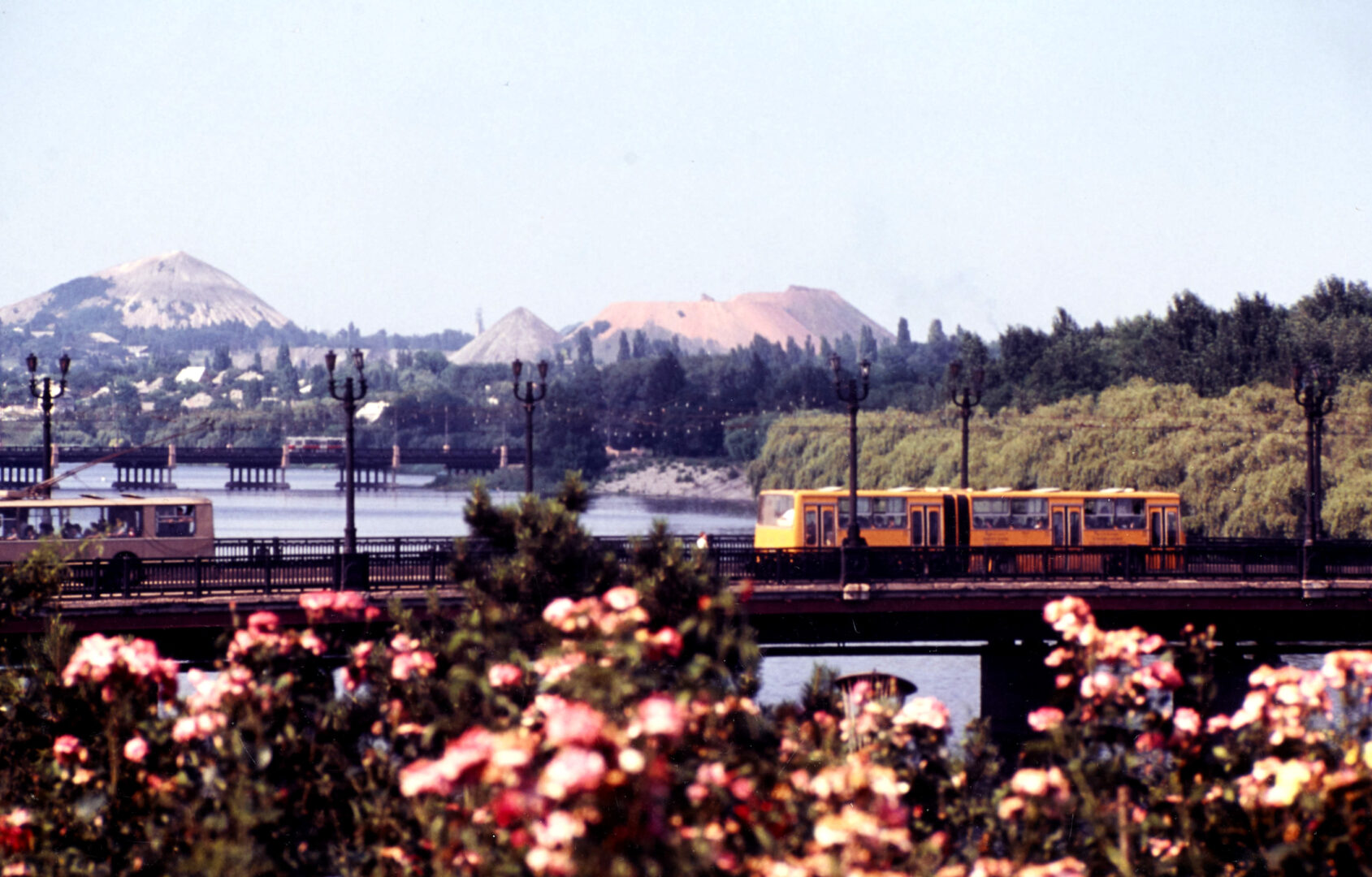 DX677/3/1 - Donetsk, Circa 1990
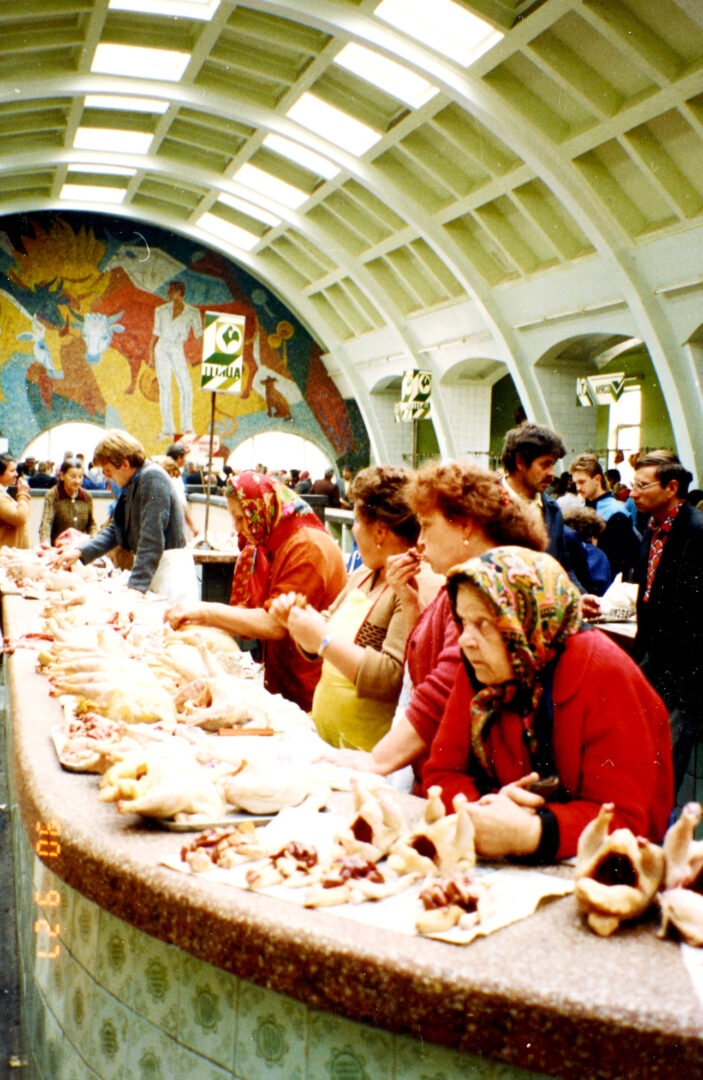 DX681/1/9 (23) - A market in Donetsk 1990s
For the families who left, the aftermath was mixed. Some settled where British steel and engineering prospered—Sheffield, Manchester—others returned to South Wales. Many had lost savings and property in the scramble to escape. Thomas Jones, once a high‑ranking businessman in Hughesovka and recipient of a Tsarist medal for rescuing men in a colliery disaster, found work as a labourer in the Taff Vale Railway Repair Shop. Yet the memory of Hughesovka remained strong, surfacing in letters, photographs and memoirs across decades.
If you’d like to find out more about Hughesovka, you can visit Glamorgan Archives to view items from the Hughesovka Research Archive. You can also purchase our publication, ‘Hughesovka: A Welsh Enterprise in Imperial Russia’ by Susan Edwards.
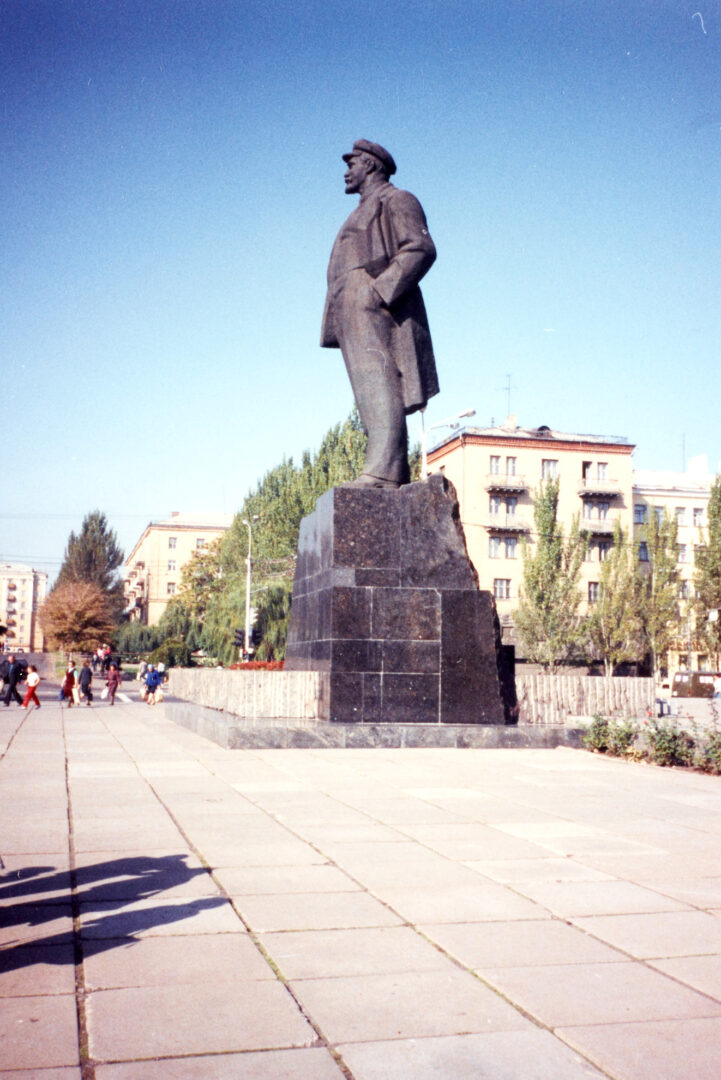 DX681/1/9 (24) - Donetsk 1990s A statue of Lenin