


The New Russia Company needed a full spectrum of skills. Early recruitment swept South Wales for blast‑furnace managers and puddlers; engineers; miners and mine managers; masons; boilermen; machinists; and later chemists and laboratory workers. The company offered three‑year contracts, paid passage, and cash advances for clothing and tools. For those who left their families behind, arrangements were made to pay part of their wages directly to dependants.
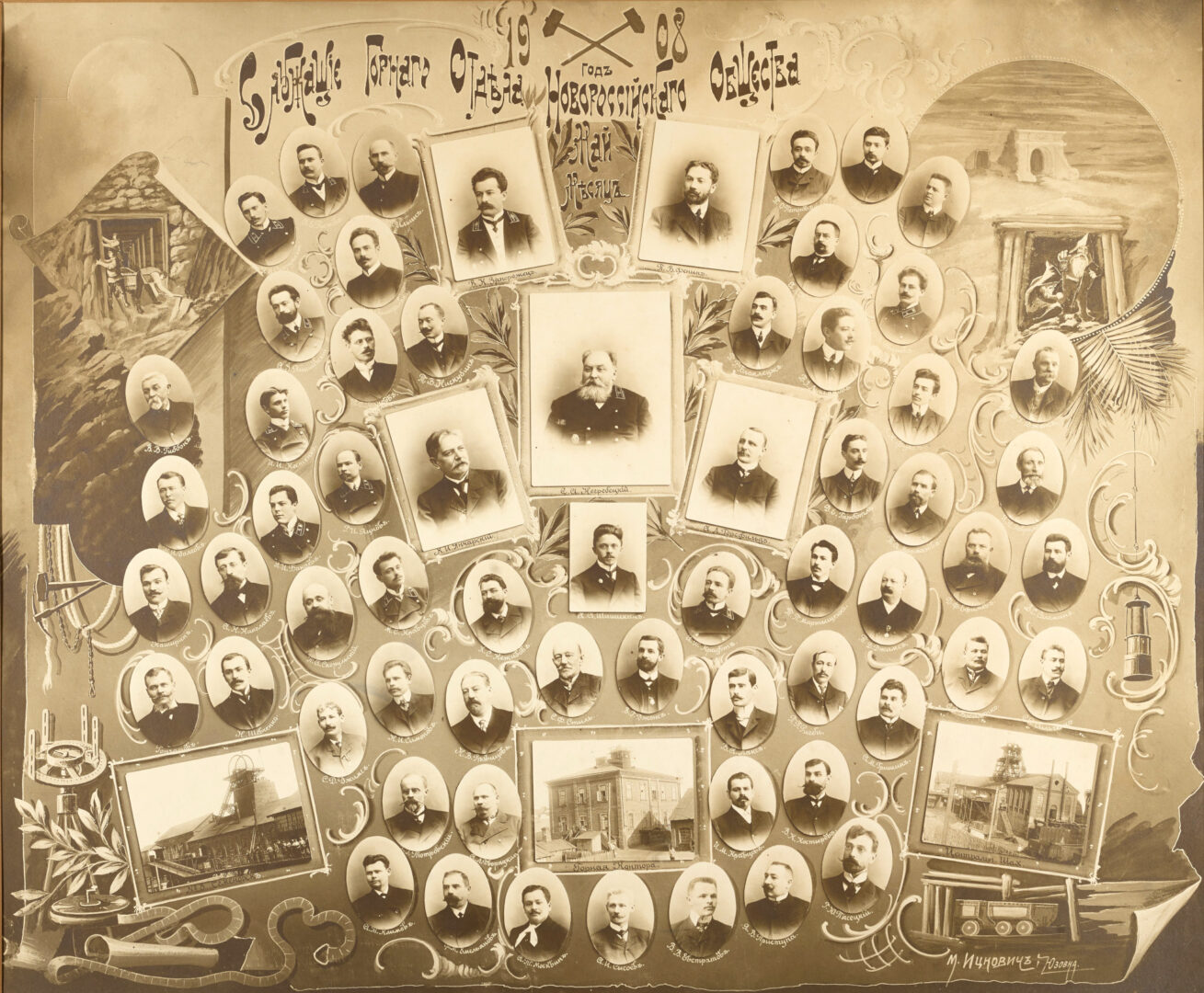 DX628/10/11 - Senior staff of the Mining Department of the New Russia Company
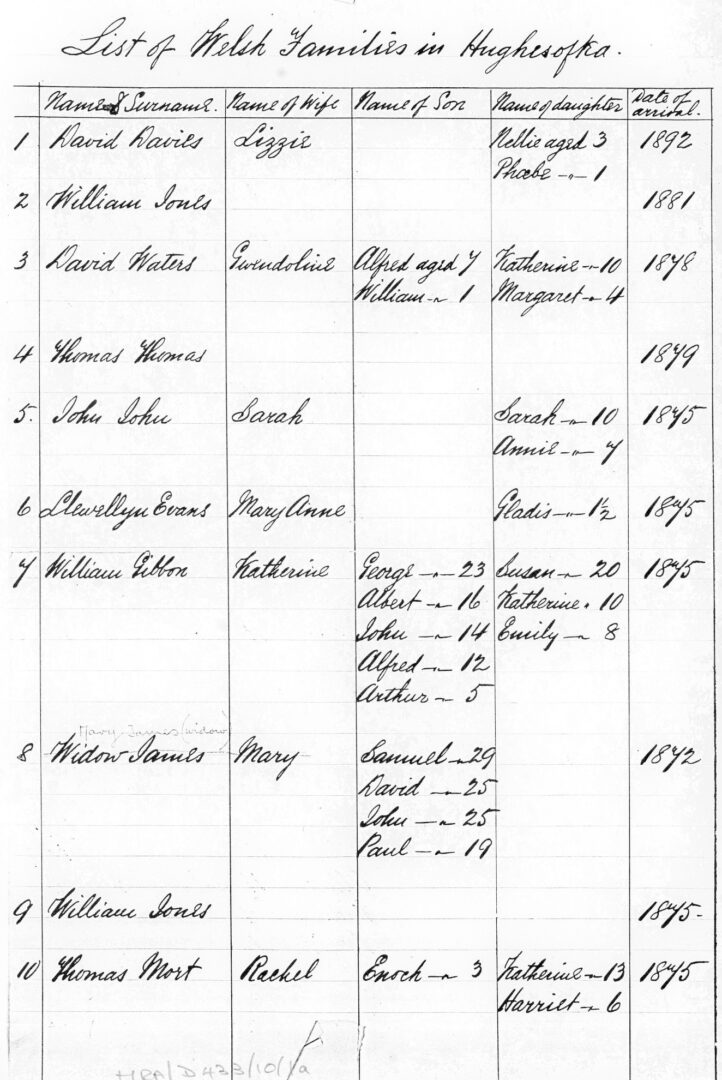 Return listing Welsh settlers at Hughesovka
The Welsh links remained strong. In 1877, seventy‑one men from Hughesovka subscribed to a charity to feed starving children in Merthyr. In 1896, Sir Daniel Lleufer Thomas collected information on twenty‑two Welsh families in the town for his report to the Welsh Land Commission. In 1912, sixty‑seven men and women petitioned the company for an Anglican clergyman. In 1914, a list of British employees, with jobs and salaries, was compiled.
Pay reflected skill and responsibility. Surviving notes point to daily rates around 80 kopecks for low‑grade work and about 5 roubles for skilled positions (100 kopecks equalled 1 rouble). Company housing typically cost 1–8 roubles per month, depending on size and quality. Letters from Wales in the late 1860s and 1870s describe short‑time working and meagre earnings at home. Against that backdrop, Hughesovka offered steady work, better pay for skill, and the promise—so often noted in memoirs—of high adventure.
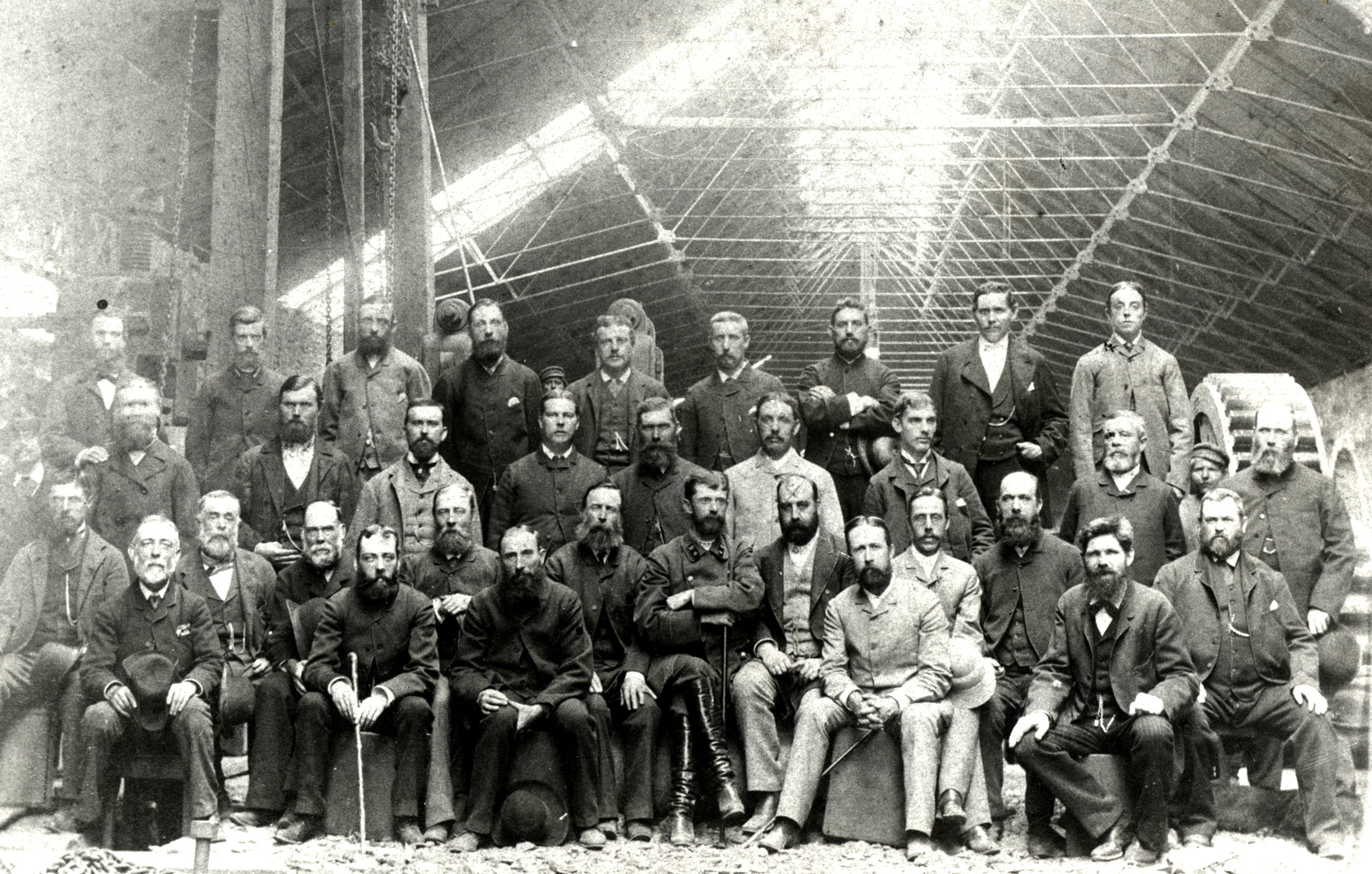 DX587/9 - Group photograph taken inside shed at works