


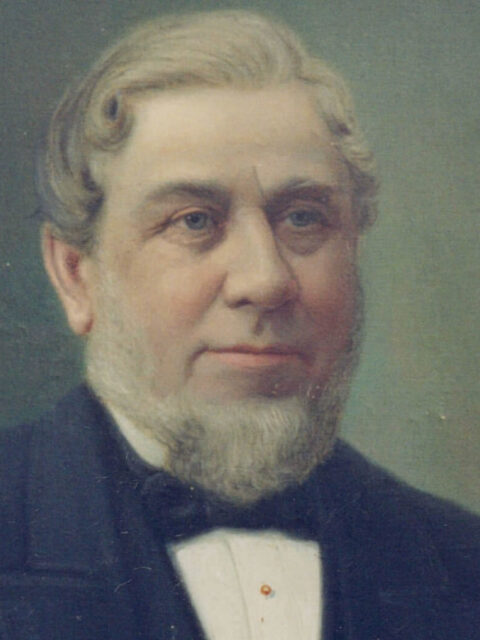
 DX627-1 John Hughes
John Hughes was born in Merthyr Tydfil around 1815 when the town stood at the centre of Wales’s iron economy. He learned his craft at Cyfarthfa Ironworks, where his father worked as an engineer, then moved to Ebbw Vale and later Newport, founding and managing the Uskside Iron Works at Pill.
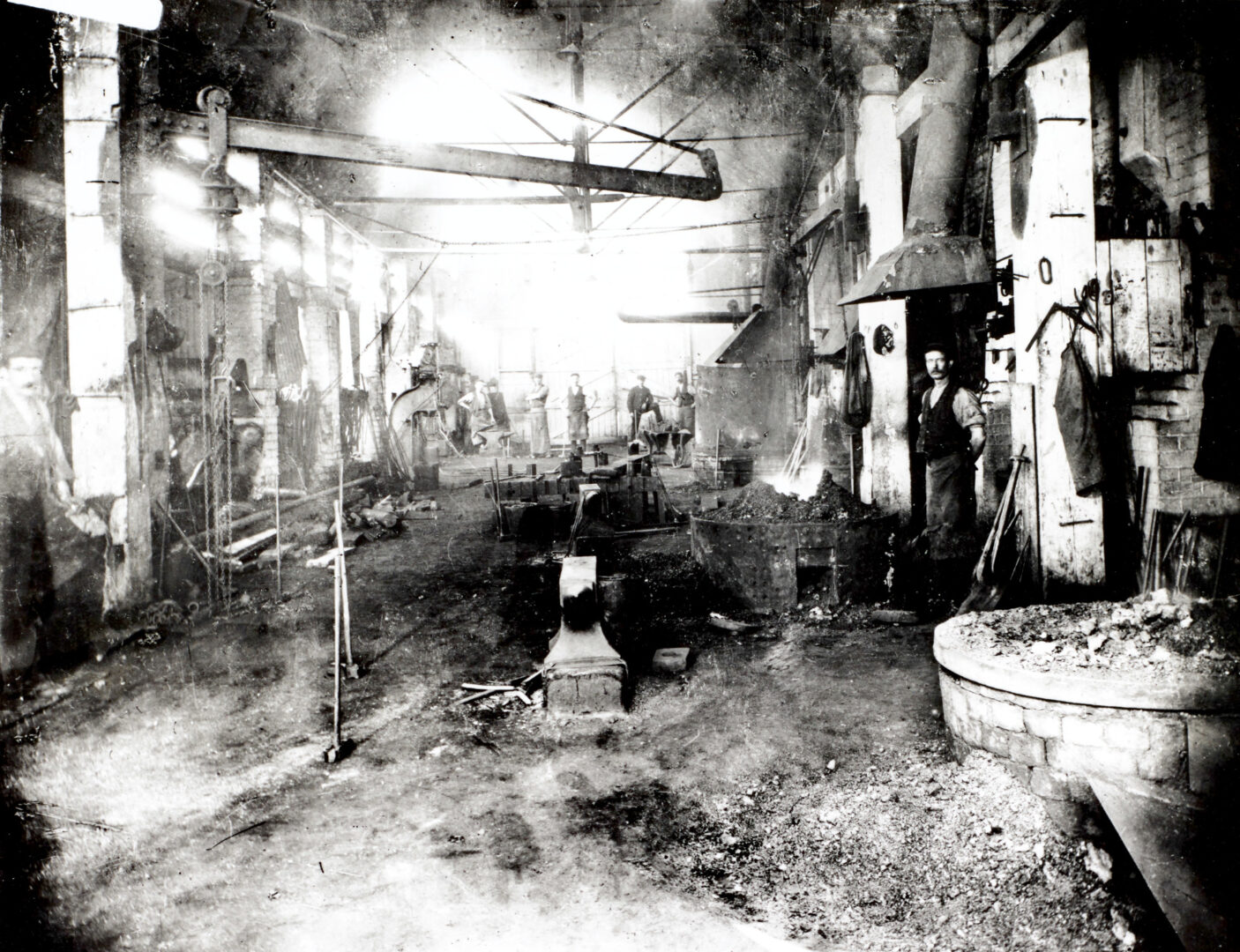 DX721/1
Uskside foundry interior
Circa early 1900s
DX721/1
Uskside foundry interior
Circa early 1900s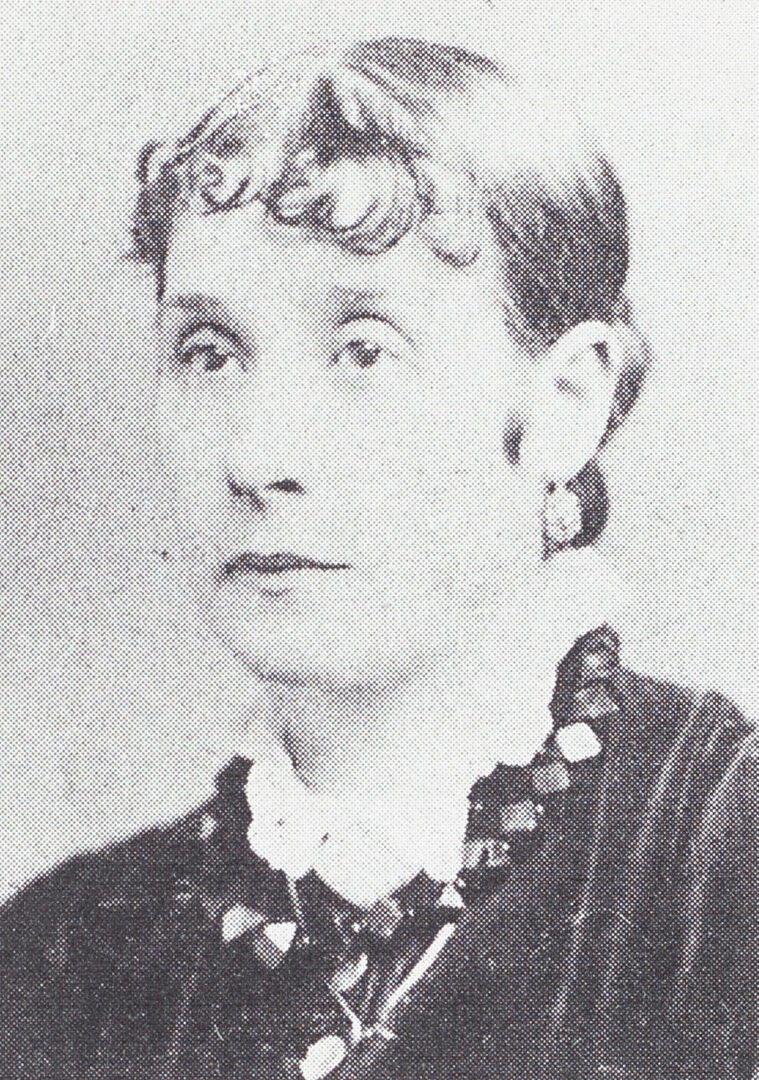 Elizabeth Lewis
In 1844 he married Elizabeth Lewis of Newport; they had eight children: Sarah Ann, John James, William Caractacus, Arthur David, Margaret Elizabeth, Ivor Edward, Albert Llewellyn, and Owen Tudor Thomas.
By the 1860s Hughes sat on the board of the Millwall Engineering and Shipbuilding Company in London. It was here where he gained a reputation for being an innovator and inventor. His blend of ingenuity, credibility and organisational skill brought him to the notice of officials in Imperial Russia as they weighed how to turn geological promise into industrial fact. He possessed a temperament which would ultimately lead him great things.
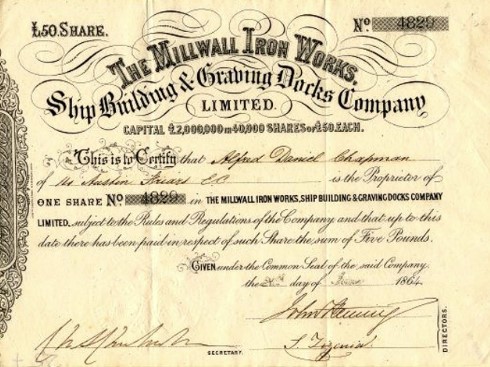 Millwall Iron Works Share Certificate
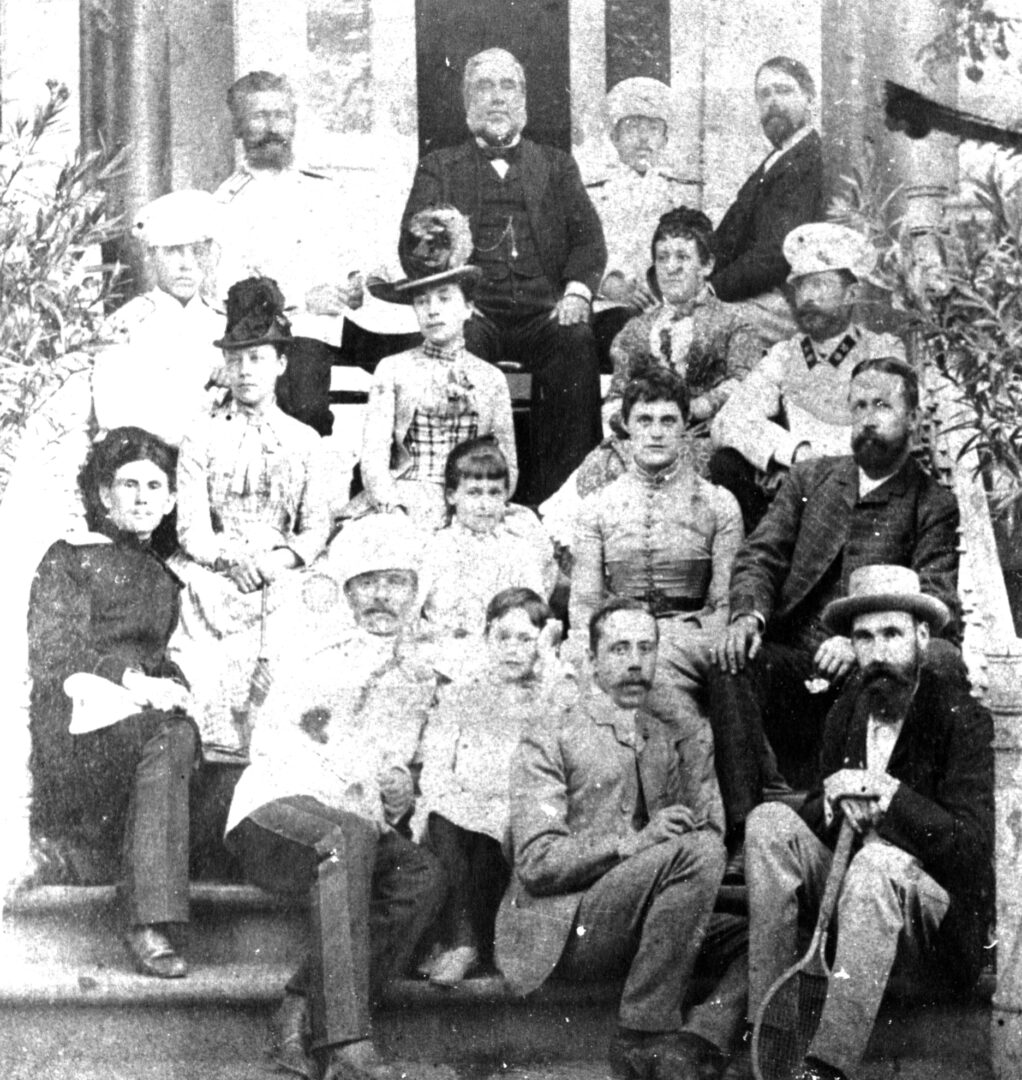 John Hughes with family and Russian friends, Pre 1889